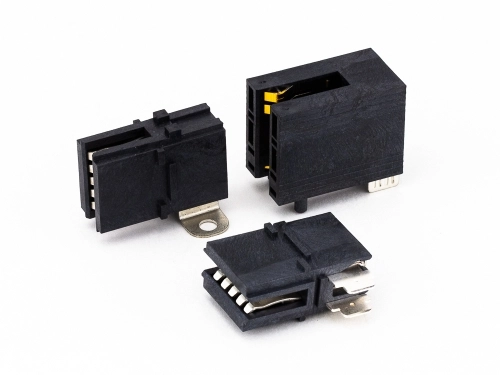
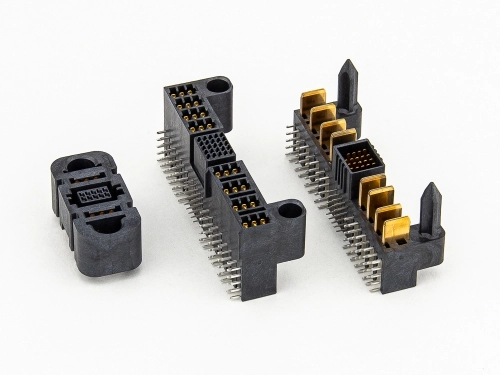
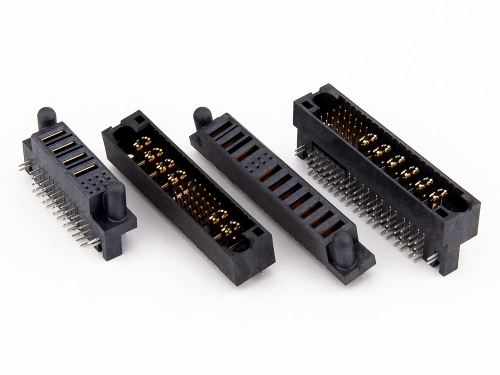
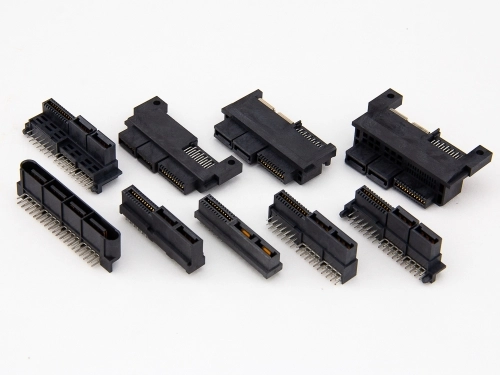
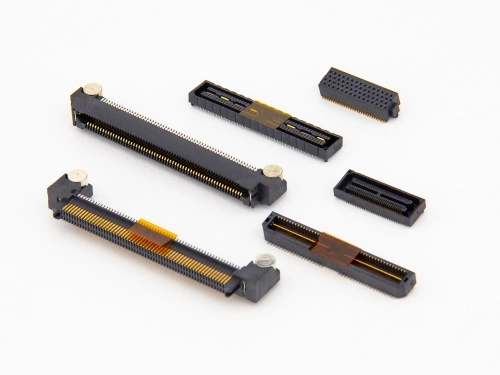
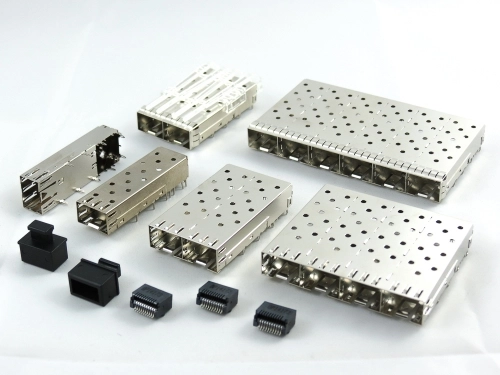
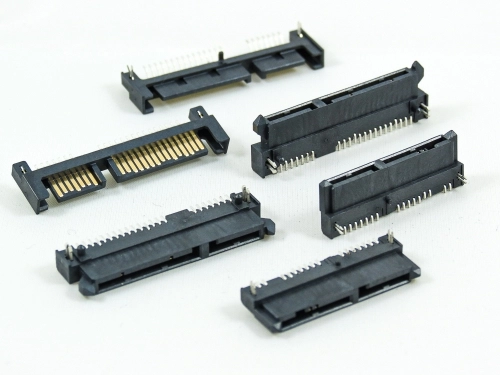
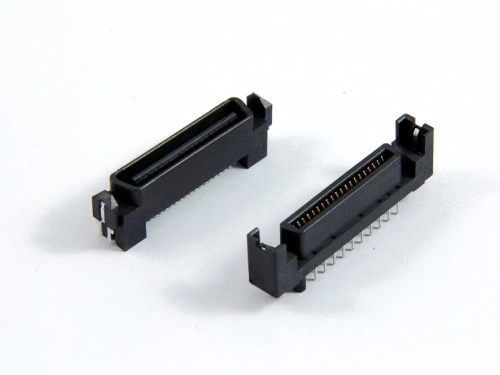
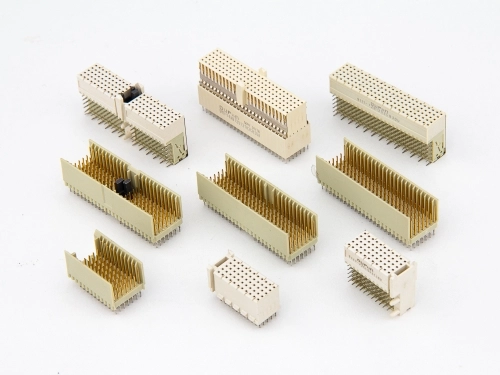
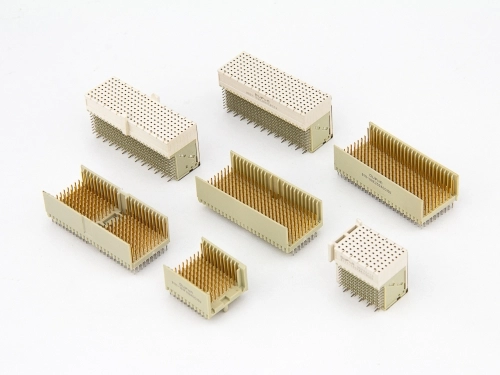
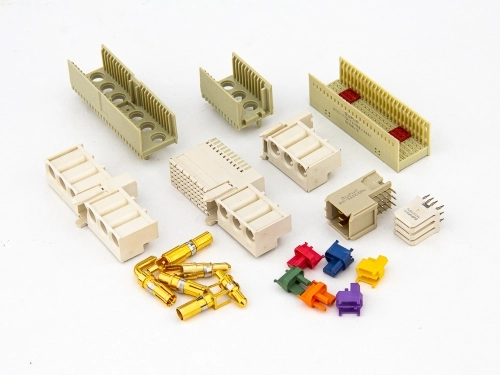
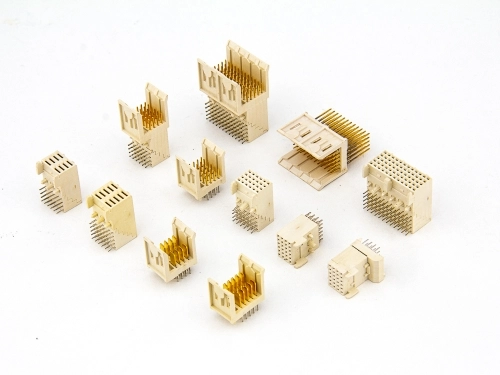
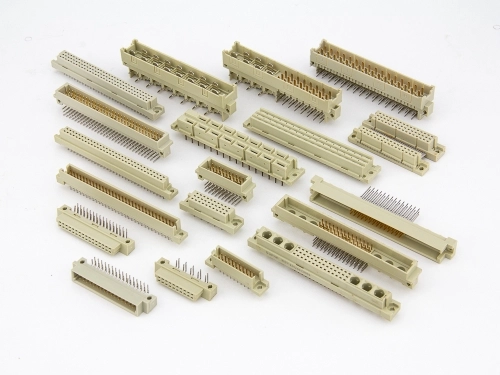
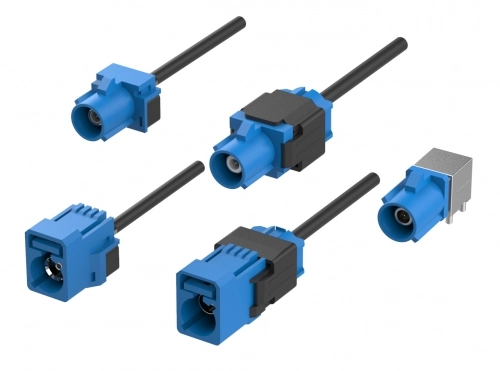
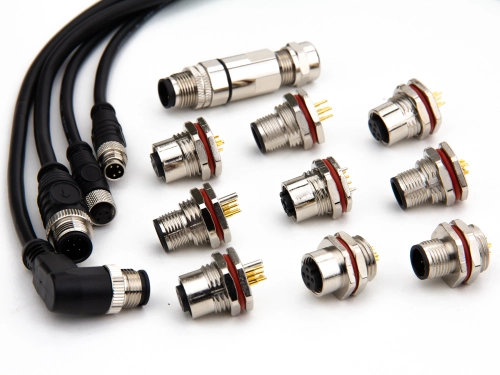
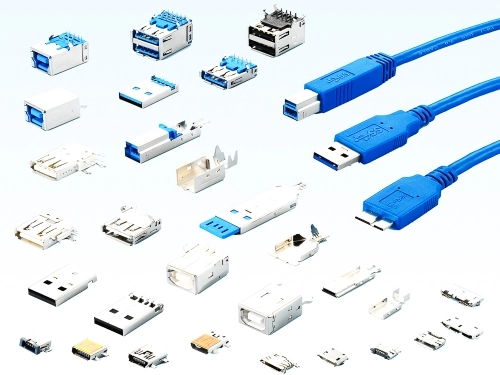
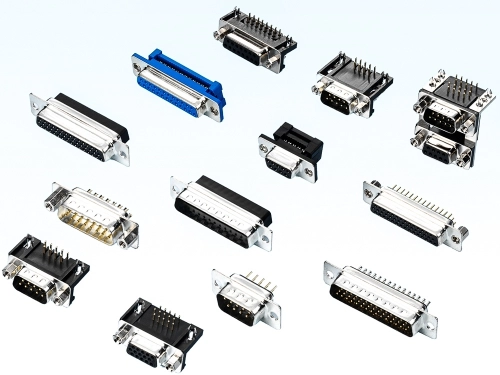
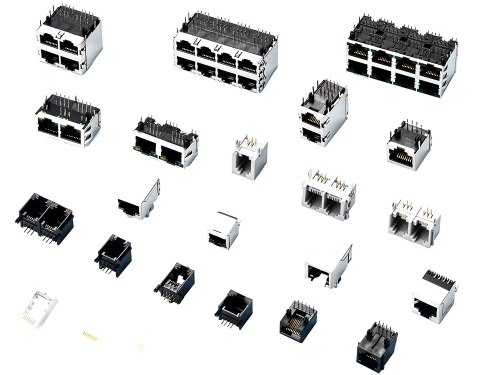
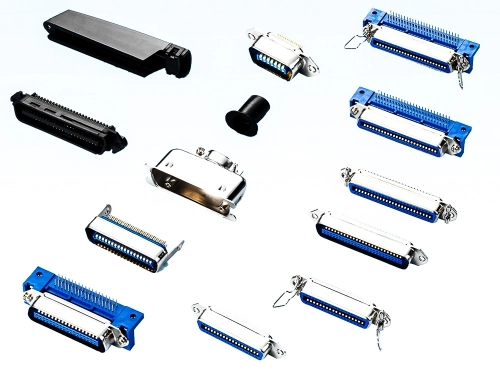
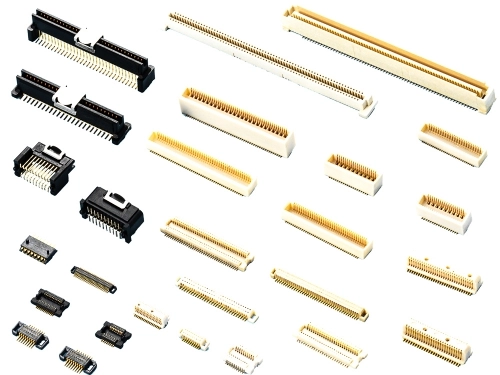
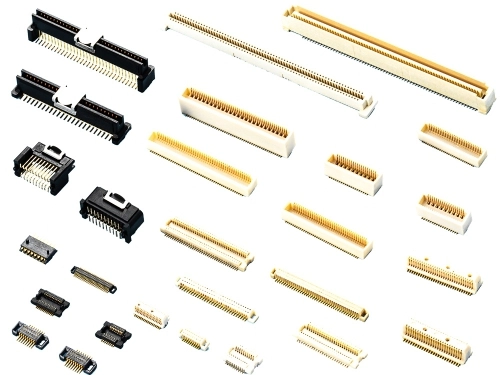
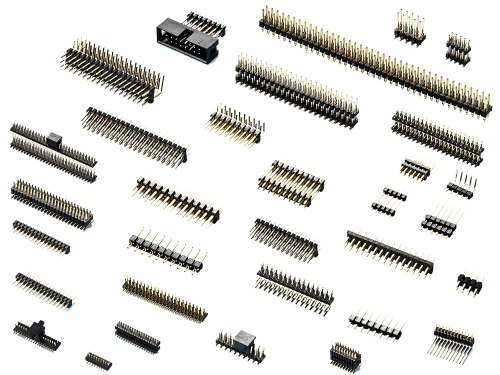
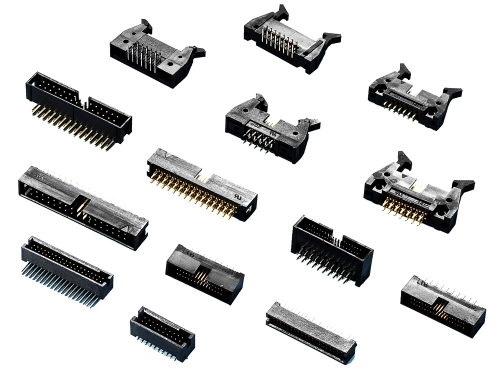
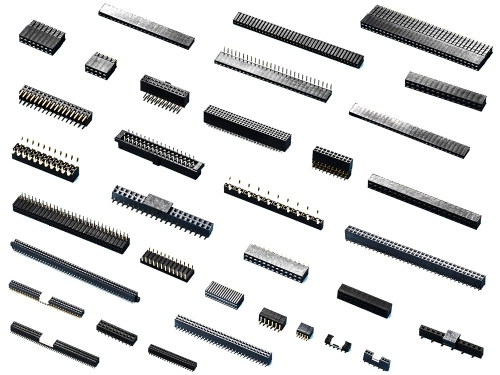
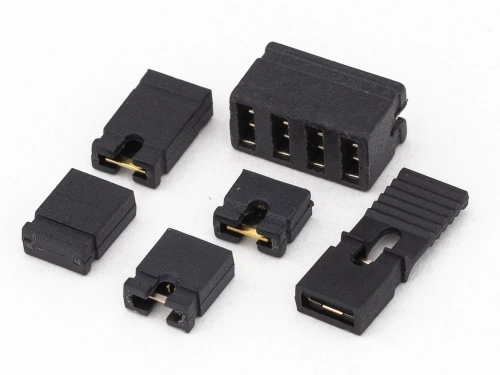
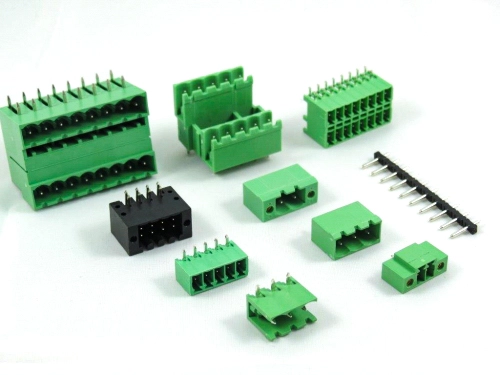
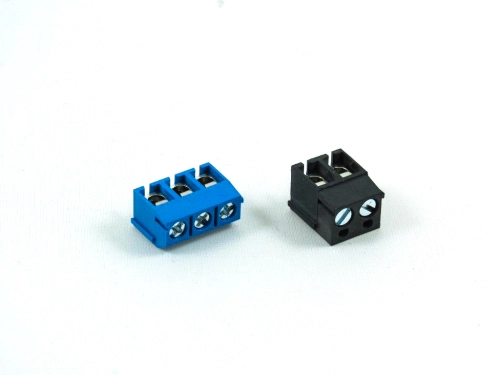
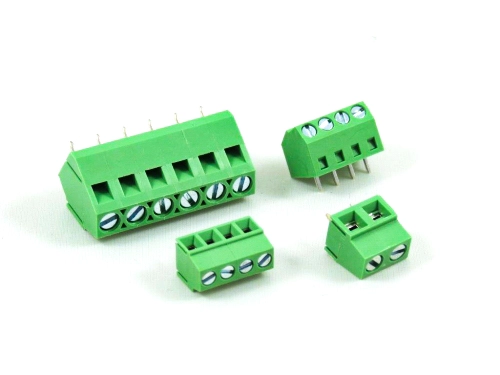
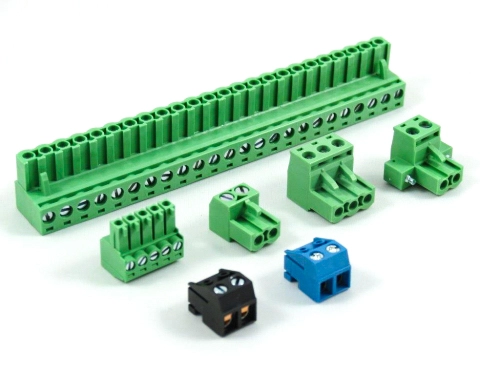
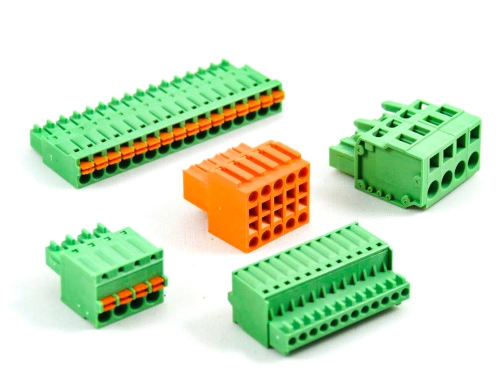
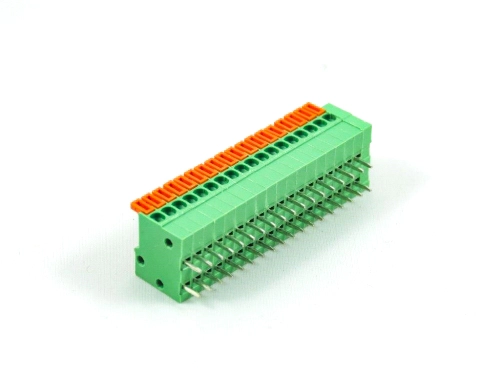
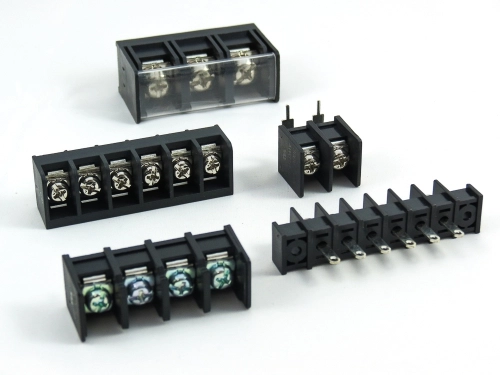
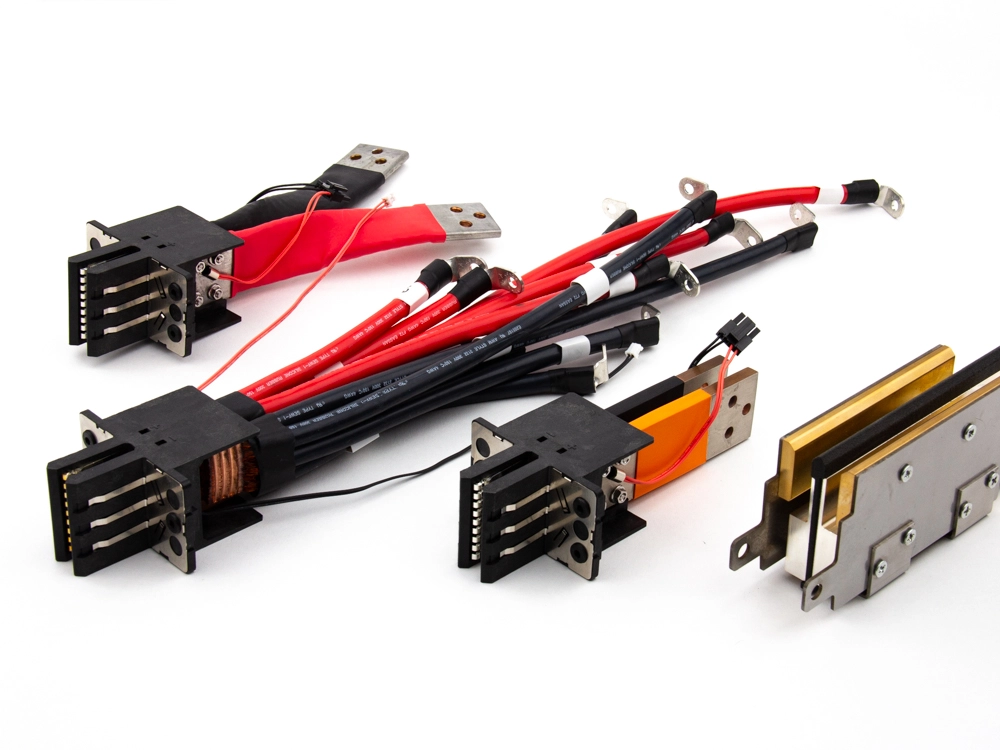
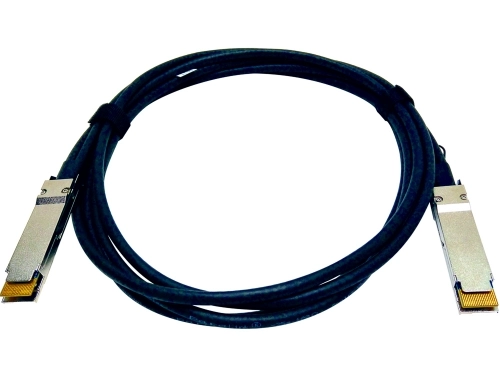
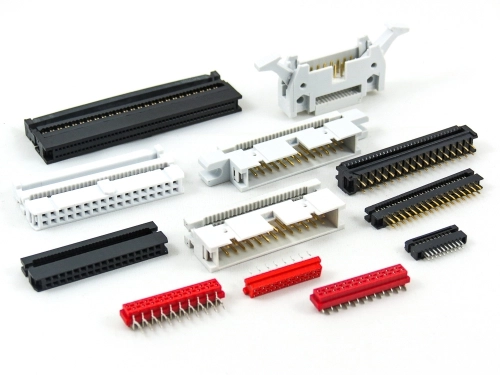
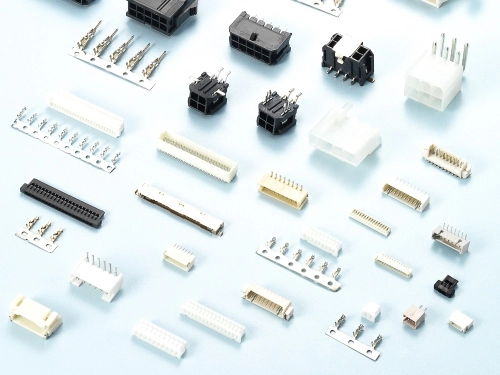
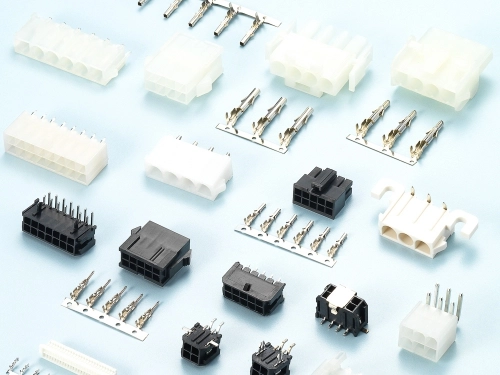
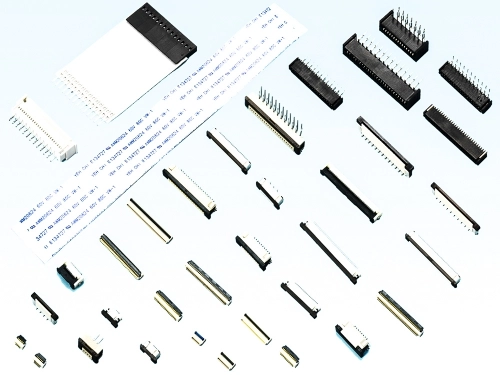
Electronic connectors allow power, signals, and data to move between components without permanently bonding every board, cable, sensor, and module together. Connector manufacturers design and produce these interfaces, ranging from pin headers and board-to-board connectors to high-power, high-speed, wire-to-board, I/O, terminal block, and custom cable assembly solutions. While no single “first” electronic connector has a neat birthday candle on the cake, the need for reliable electrical connections grew alongside 19th-century telegraphy, telephone switchboards, and early power distribution. By the late 1800s, plug-and-jack systems and power plugs helped turn electricity from a fixed laboratory curiosity into something modular, serviceable, and scalable.
Since then, electronic connectors have evolved from relatively simple mechanical contact points into highly engineered components built for miniaturization, high-speed data, high-current power delivery, harsh environments, automated assembly, and long-term reliability. Today's connector must often survive vibration, heat, repeated mating cycles, corrosion risk, tight PCB layouts, and signal integrity requirements earlier engineers could barely imagine. Choosing the right electronic connector manufacturer is a design decision, a reliability decision, and, sometimes, a safety decision. The right manufacturer helps products perform as intended, reduces costly redesigns, protects brand reputation, and supports the technologies people rely on every day.
Checklist for Choosing the Right Connector Manufacturer
Choosing an electronic connector manufacturer should involve more than comparing catalog pages and unit prices. The best connector manufacturer should support the full journey of a product, from early concept and prototyping to compliance review, production scaling, and future design revisions. The goal is not simply finding an electronic connector that fits. The goal is to find a manufacturer providing connectors performing correctly in the real world, where heat, vibration, corrosion, signal loss, current load, assembly variation, and supply chain pressure all come knocking like impatient inspectors.
1. Proven Connector Expertise
Different applications require different strategies, and a manufacturer with experience across multiple product categories can support other experts make better design choices. Power connectors, signal connectors, board-to-board connectors, wire-to-board connectors, high-speed connectors, I/O connectors, terminal blocks, pin headers, sockets, card edge connectors, and cable assemblies each solve different engineering problems. For instance, a connector used in a compact consumer device may prioritize size and automated assembly, while a connector used in industrial automation may prioritize retention force, durability, vibration resistance, and long service life. A manufacturer with broad technical experience can help engineers avoid treating every connection like the same problem wearing a different jacket.
2. A Broad Product Portfolio
A strong connector manufacturer should offer enough product variety to support different layouts, environments, and performance targets, including multiple pitch sizes, row configurations, stack heights, mounting styles, orientations, current ratings, pin counts, mating options, housing materials, and packaging formats. This connector diversity is especially valuable when a design evolves; early prototypes may use standard pin headers or board-to-board connectors because they are easy to source and test. However, later production versions may request lower profiles, different mounting styles, stronger retention, higher current capacity, improved shielding, or better automated assembly compatibility. A wider portfolio allows engineering teams to stay within the same supplier ecosystem, instead of restarting the sourcing process from zero.
3. Relevant Certifications
Certifications help demonstrate a manufacturer follows recognized systems for quality, environmental responsibility, safety, and industry-specific requirements. Important standards may include ISO 9001 for quality management, IATF 16949 for automotive quality systems, ISO 13485 for medical device quality management, ISO 14001 for environmental management, ISO 45001 for occupational health and safety, and ISO 14064 for greenhouse gas reporting. While certifications do not automatically guarantee a connector is right for every application, they do highlight a manufacturer has structured processes in place.
4. Compliance Awareness
Depending on the target market, connectors may need to support environmental, safety, automotive, medical, industrial, telecommunications, or international compliance requirements. The right manufacturer should understand documentation needs, providing the necessary information for customer qualification. A connector without the required documentation or material compliance support will likely create problems for production release.
5. Application-Specific Knowledge
A connector used in an automotive control unit does not face the same expectations as one used in a development board, medical diagnostic device, industrial robot, data center power system, or consumer product. Each application has different concerns, including vibration, heat, ingress protection, mating cycles, signal integrity, sterilization compatibility, current load, maintenance access, and regulatory documentation. The right manufacturer should understand the customer's operating environment. A connector is only “good” if it is good for the job it is being asked to do.
6. Engineering Support Early in the Design Process
The best connector manufacturers help engineers evaluate connector fit, function, current rating, voltage rating, mating cycles, PCB layout, stack height, impedance, thermal behavior, soldering requirements, insertion force, and manufacturing compatibility before the design becomes too expensive to change. Additionally, providing early support can help prevent common problems: choosing a connector fitting mechanically but fails electrically; selecting a pitch complicating assembly; using the wrong plating for the mating cycle requirement; or underestimating heat rising in a power connection.
7. Customization Capabilities
Not every product can rely on a standard catalog part. A manufacturer should be able to discuss custom pin lengths, plating choices, housing materials, cable lengths, mounting features, alignment posts, color options, keying, shielding, packaging, and special electrical or mechanical requirements. Customization is especially relevant when discussing products with tight enclosures, harsh environments, unusual board spacing, proprietary module systems, or industry-specific compliance needs. A small adjustment, such as changing a pin length, adding a locating feature, selecting a different plating, or modifying packaging for automated assembly, can potentially improve production efficiency and long-term reliability.
8. Reliable Materials
Connector performance begins with material selection. Pins and contacts are commonly made from conductive copper alloys, such as brass or phosphor bronze, because they balance conductivity, strength, formability, and cost. Housing materials must also provide insulation, dimensional stability, heat resistance, and mechanical strength.
Materials affect far more than appearance, though. Poor material choices can lead to weak retention, brittle housings, unstable contact force, corrosion sensitivity, poor soldering behavior, or premature wear. However, a dependable manufacturer should be able to explain why a material is appropriate for the application, not merely list it in a datasheet and hope nobody asks questions.
9. Appropriate Plating Options
Plating, usually made from tin, gold, nickel, silver, and selective plating, each serve different purposes. Tin is often cost-effective and solderable, while gold is commonly selected for high-reliability, high-cycle, low-voltage, or corrosion-sensitive applications. Selective plating can place gold only where the connector mates while using tin elsewhere to control cost.
Additionally, the right plating choice depends on the environment, mating frequency, electrical load, corrosion risk, cost target, and durability requirement. A capable manufacturer should help customers select plating based on application needs rather than treating gold as automatically “best” or tin as automatically “cheap.” In connector design, the wrong plating can quietly become the villain in a very expensive sequel.
10. Mechanical Durability
Connectors often face repeated mating and unmating, cable pull, vibration, shock, insertion force, withdrawal force, handling stress, and assembly loads. The right manufacturer should understand mechanical durability at the contact, housing, latch, board attachment, and cable interface levels. Mechanical durability is especially important when connectors are used in serviceable systems, field-replaceable modules, robotics, vehicles, industrial equipment, and test environments. If a connector is expected to be touched repeatedly, it must be designed for more than a perfect first insertion.
11. Thermal Performance Options
Many applications involve elevated operating temperatures, solder reflow, power density, or harsh environmental exposure. The manufacturer should offer housing materials and connector designs capable of withstanding the required thermal conditions without warping, cracking, losing retention, or compromising electrical performance. A connector may need to survive reflow soldering during assembly and then continue performing inside a warm enclosure, near a power device, or in an industrial environment.
12. Mounting Flexibility
Modern PCB designs require mounting flexibility. Connectors can be bonded to PCBs in three ways: through-hole, surface mount (with solder balls), and press-fit. However, mounting style also affects board layout, mechanical retention, solder joint strength, repairability, production speed, and available space. Nonetheless, a manufacturer with multiple mounting options gives engineers more freedom to design around real constraints instead of forcing the product to orbit one connector choice.
13. Manufacturability and Assembly Support
A connector must not only work electrically; it must also be practical to assemble. Tape-and-reel packaging, pick-and-place compatibility, solderability, board locks, alignment posts, inspection visibility, and automated assembly compatibility can all influence production cost and reliability. A perfect-looking connector in a CAD model may become a factory headache if it is hard to place, hard to inspect, or easy to damage during assembly.
14. High-Speed Performance Capability
Modern electronic systems increasingly depend on high-speed data transmission. Fortunately, connector selection can directly influence signal integrity. For instance, important concerns include characteristic impedance control, insertion loss, return loss, crosstalk, shielding, grounding strategy, PCB layout, and validation testing. A manufacturer supporting high-speed applications should understand the connector is part of a larger signal path. It's an electrical terrain handling higher data rates through the board, cable, connector geometry, materials, plating, and mechanical design.
15. High-Power Design Capability
Power connectors require careful engineering. Current capacity, contact resistance, heat rise, conductor geometry, spring force, plating, housing material, and airflow can all affect performance. A connector carrying significant current must be designed to minimize resistance and manage thermal behavior safely. As a matter of fact, high-power design is not simply a matter of making contacts larger; it involves understanding how electricity, heat, and mechanics interact over time.
16. Clear Technical Documentation
Engineers need accurate datasheets, drawings, recommended PCB layouts, material information, electrical ratings, mechanical specifications, plating details, mating connector recommendations, temperature ratings, packaging data, and compliance documentation. It has been shown that clear documentation reduces guesswork and supports teams needing documentable engineering, purchasing, quality, and manufacturing strategies to work with the same information. In short, vague specifications can be tiny fog machines for future problems.
17. Testing and Validation Capabilities
A reliable manufacturer should perform or support relevant connector testing. Depending on the product, this may include continuity testing, contact resistance testing, dielectric withstand voltage testing, insulation resistance testing, temperature rise testing, solderability testing, vibration testing, mating and unmating force testing, durability testing, salt spray testing, and environmental stress testing. Without testing, connector failures can increasingly appear after potential stress, time, and usage. A connector may pass a basic visual inspection but fail under heat, vibration, humidity, or repeated mating. Validation helps reveal those weaknesses before the product reaches the field.
18. Consistency Across Production Batches
Prototype success means the right manufacturer should consistently deliver stable dimensions, infallible material quality, reliable plating, dependable packaging, and repeatable performance over time. After all, batch consistency helps protect manufacturing yields and field reliability, as well as reduce the chance an engineering team will spend weeks chasing a problem caused by an invisible change in connector quality.
19. Transparent Communication
Engineering teams need fast and accurate answers. A good manufacturer should communicate clearly about specifications, lead times, samples, substitutions, tooling, compliance, availability, packaging, and technical concerns. Transparent communication prevents small uncertainties from becoming expensive delays. When a project is moving quickly, silence from a supplier can be louder than a failed test report.
20. Strong Quality Control Systems
A dependable manufacturer should have documented quality systems for inspection, testing, traceability, corrective action, and continuous improvement. Quality control should cover incoming materials, stamping, plating, molding, assembly, packaging, and final inspection. For instance, customers in automotive, medical, industrial, data center, telecommunications, and other markets where a connector failure can create safety, downtime, warranty, or reputational consequences know the absolute urgency of a consistent, reliable performance.
21. Tight Dimensional Tolerances
Connector pins must align correctly, housings must maintain spacing, and mating interfaces must fit consistently. Tight tolerances are especially important for fine-pitch connectors, board-to-board systems, high-speed connectors, press-fit designs, and high-current products. If dimensions drift, connectors may become difficult to mate, prone to intermittent contact, vulnerable to solder defects, or incompatible with automated assembly. Consistent manufacturing tolerances help protect electrical performance, mechanical stability, and production efficiency.
Potential Problems of No Electronic Connector Manufacturer Research
Skipping proper connector manufacturer research can expose a product to risks not always obvious during early design. An electronic connector may look simple on a drawing, but once it enters real operating conditions, poor materials, weak tolerances, unstable plating, inconsistent manufacturing, or limited technical support can create failures across the entire system. Additionally, poorly manufactured connectors may cause intermittent electrical contact, unexpected resets, power interruptions, unstable signal transmission, or failures difficult to reproduce during testing. In high-speed applications, connector geometry and material quality can affect crosstalk, insertion loss, return loss, and impedance control. In high-current applications, improper contact design can lead to overheating, power loss, damaged nearby components, or safety concerns.
Mechanical and environmental reliability are just as important. Weak housings, poor retention features, inconsistent pin alignment, or insufficient mating force can cause connectors to loosen under vibration, shock, handling, or repeated use. Improper plating or material selection can also increase vulnerability to oxidation, moisture, salt spray, chemicals, and other environmental stresses, which may raise electrical resistance and reduce long-term performance. From a manufacturing standpoint, connectors difficult to solder, poorly packaged, dimensionally inconsistent, or incompatible with automated assembly can slow production, increase scrap, and lead to costly rework. Without the transparency of clear drawings, samples, technical guidance, or timely communication from the manufacturer, engineering teams may also lose valuable development time.
Imagine this: a low-cost connector regularly contributes to failed testing, redesigns, production delays, warranty claims, field failures, recalls, and/or customer dissatisfaction, but the customers rarely blame a hidden connector issue; they blame the finished product, which means the brand, your empire, absorbs the frustration, anger, and disgust. Despite the, while shoddily made, connector you picked being the reason for this anger, your legacy will take the blame. Researching the right connector manufacturer early helps prevent these problems before they become expensive lessons, protecting product reliability, production efficiency, business momentum, and long-term reputation.
Enhancing Performance With the Right Connector Manufacturer
The right electronic connector manufacturer helps transform a design from a promising concept into a reliable product. With a broad connector portfolio, precision manufacturing, quality-focused processes, and solutions serving power, signal, data, automotive, medical, industrial, telecommunications, and high-performance electronics applications, Oupiin Enterprise supports professionals with their passions and endeavors through consistently reliable connector production. Choosing us means choosing a partner focused on dependability, performance, and long-term confidence. If your next project needs electronic connectors doing more than simply fitting, contact Oupiin Enterprise to explore the right solution for your application.