

The concept of liquid cooling is not entirely new; it's been used in automotive and high-performance computing industries for years. However, its use for data centers is gaining momentum as the demand for better cooling solutions increases. Why? Well, compared to traditional air-cooled servers, liquid-cooled servers can handle higher heat loads while occupying less physical space. But, what exactly are liquid cooled servers?
Liquid cooled servers are an advanced type of data center hardware using liquid-based systems to manage the heat generated from, for example, high-performance processors. As data centers handle more intense computational loads, especially with advancements in artificial intelligence, machine learning, and cloud-based services, traditional air-cooling systems struggle to keep up. Circulating a cooling fluid (usually water or a non-conductive liquid) to absorb and dissipate the heat from server components, in short, is a more efficient and sustainable solution to the prevention of overheating. But, how does the liquid not impact the servers?
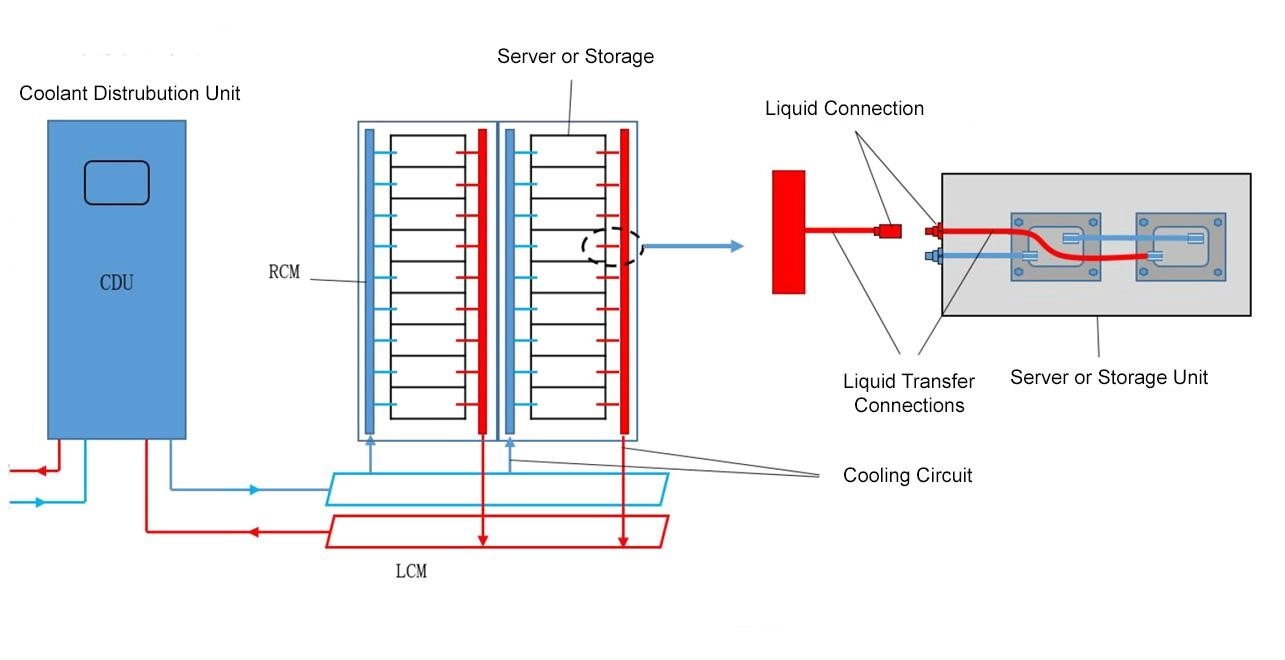
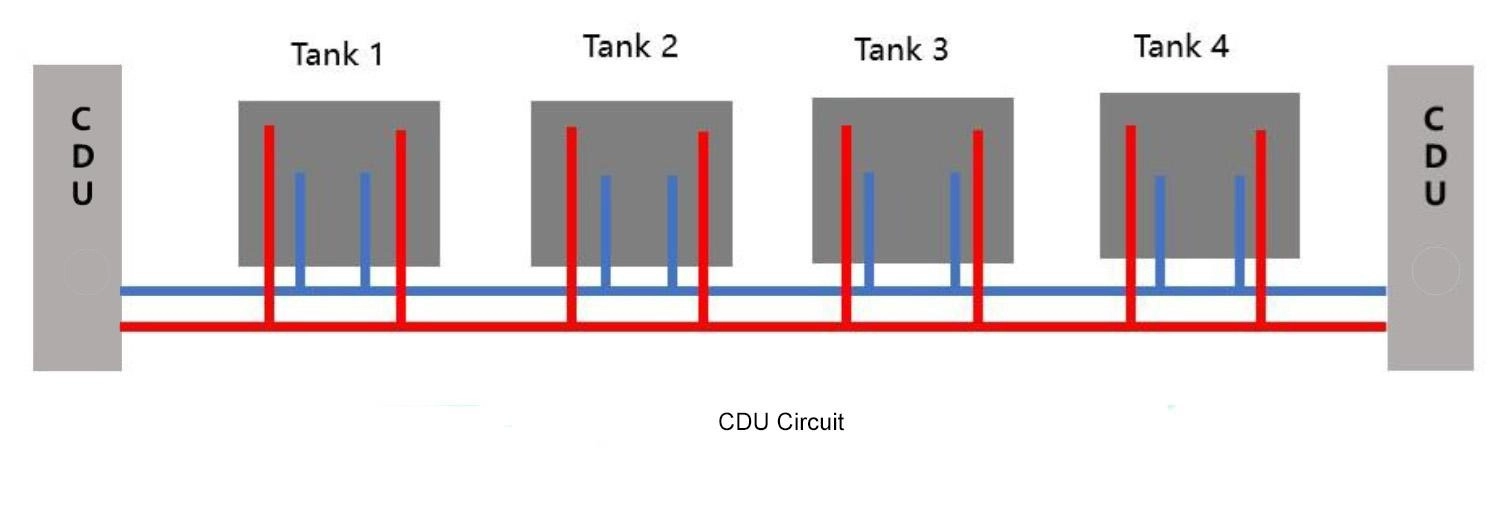
Liquid cooled server systems use a network of tubes, pumps, and heat exchangers to transport the cooling fluid through the server's hottest components. The process starts with the liquid being pumped through a refrigerated block mounted directly onto the heat-generating hardware. This cooling block is in direct contact with the components needing to be pacified, absorbing heat through thermal conduction. Once the liquid “ingests” the heat from the server components, it is then transported to a radiator or heat exchanger, which will help dissipate the heat. It will repeat this process of circling the cooled-liquid throughout the hardware while, typically, in use.
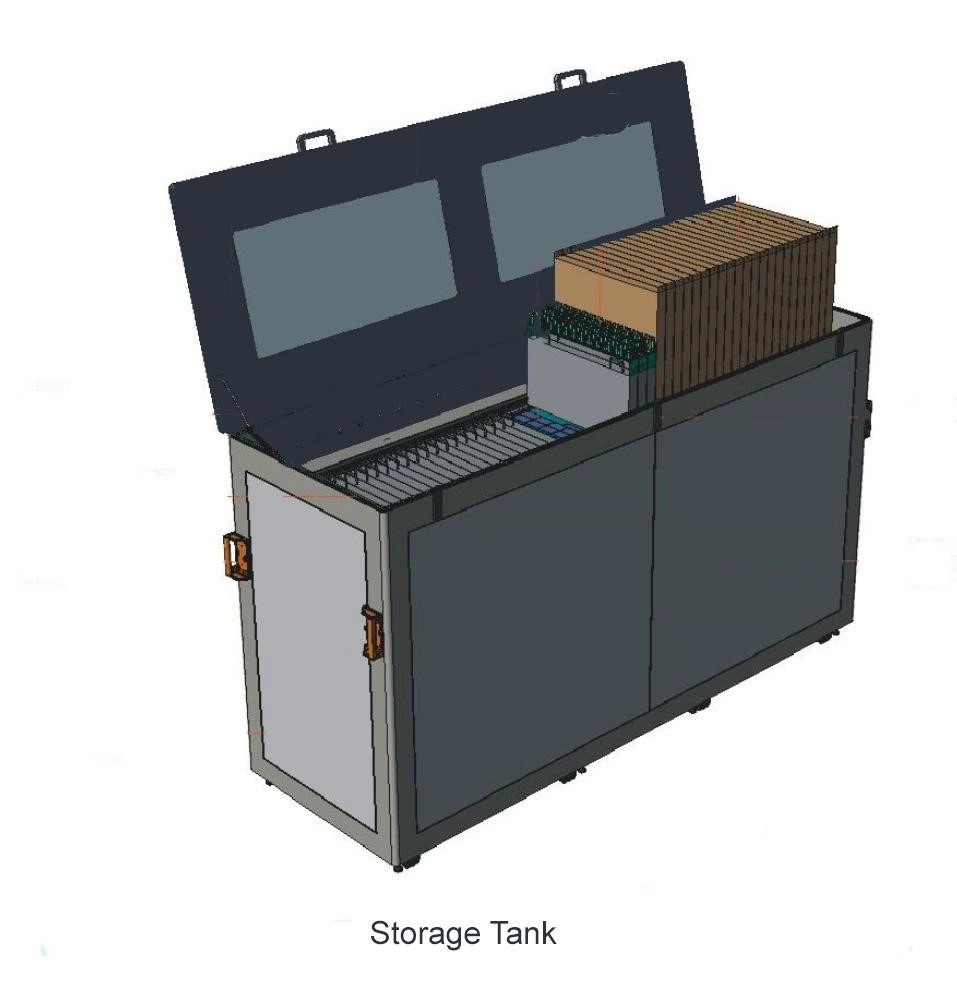
However, it's important to note that there are two primary types of liquid cooling systems: direct-to-chip cooling and immersion cooling. Direct-to-chip cooling is when the liquid is delivered to critical components, like CPUs and GPUs, via tubes and heat sinks. Immersion cooling involves submerging the entire server in a dielectric fluid, directly absorbing the heat.


Liquid is a far better conductor of heat than air, allowing liquid-cooled systems to maintain lower temperatures and handle more powerful hardware. Industries requiring high-performance computing (HPC) and data centers needing to run 24/7 without performance degradation from overheating are some of the biggest users of this machinery since it's, essentially, vital for the facilities' survival. Additionally, liquid cooling will be more cost-effective than traditional air-cooled systems since it does not require large fans, complex air-conditioning systems, and considerable space for proper ventilation. Liquid-cooled systems reduce the need for these energy-hungry air management solutions, helping lower operational costs and enforce a more sustainable environmental footprint.
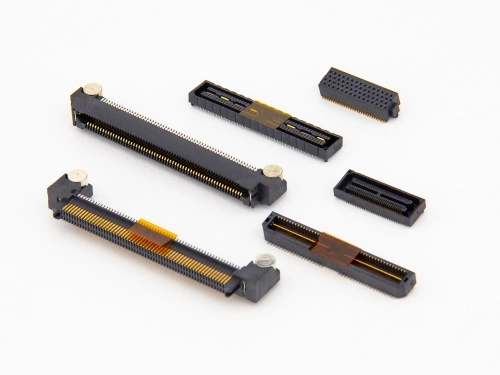
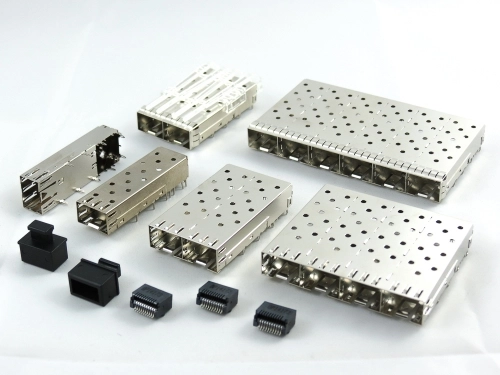
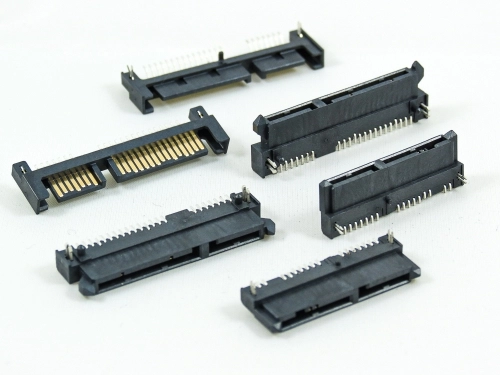
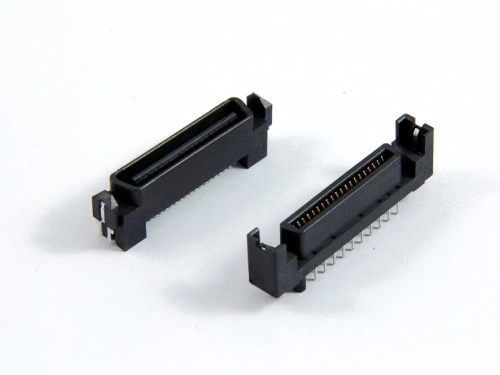
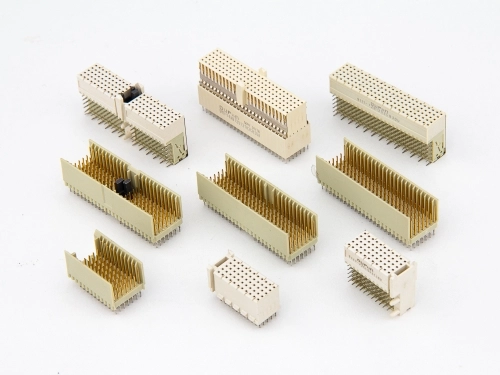
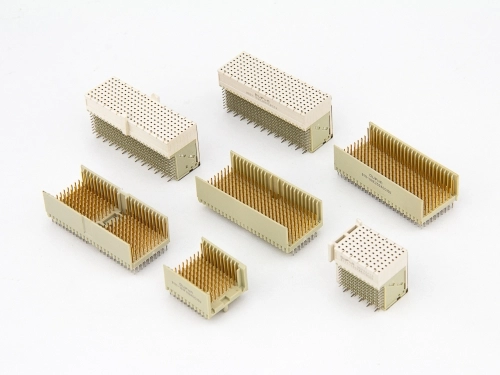
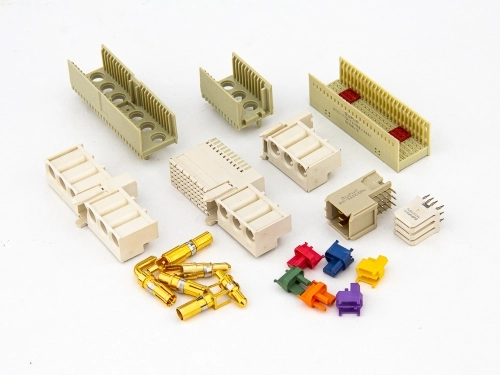
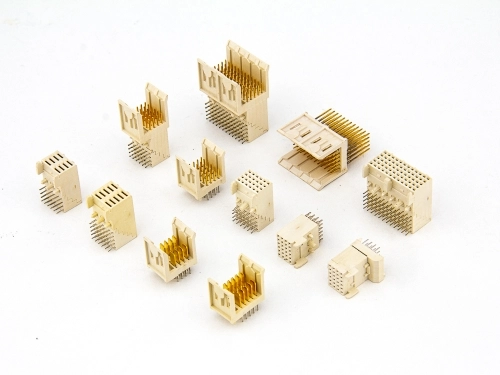
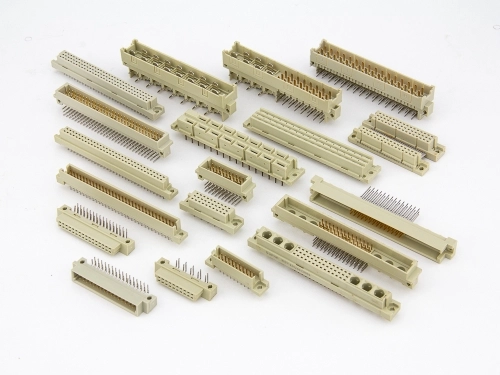
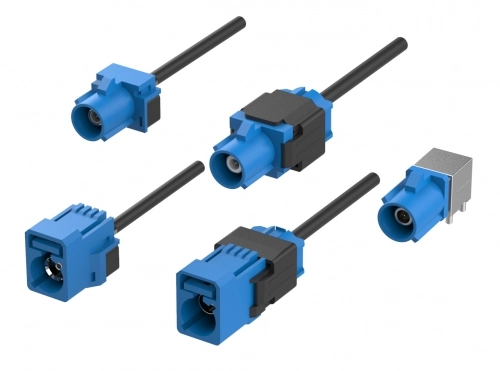
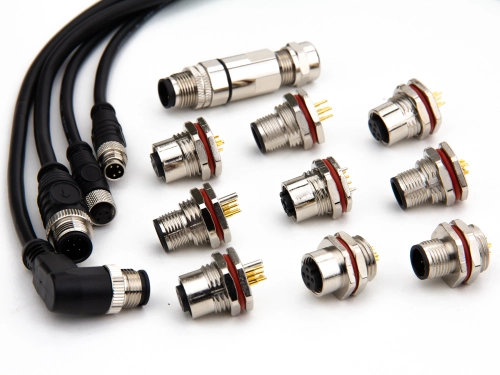
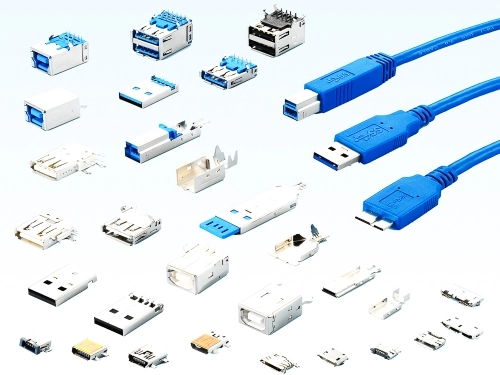
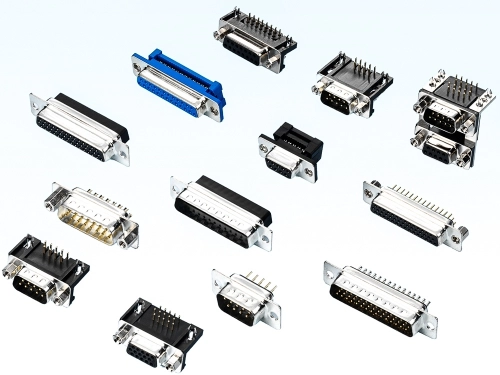
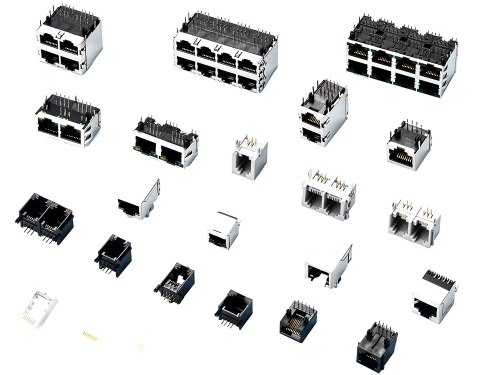
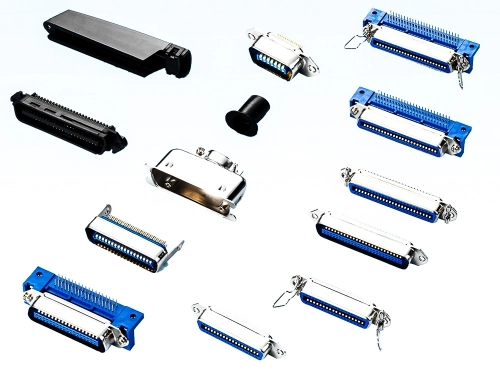
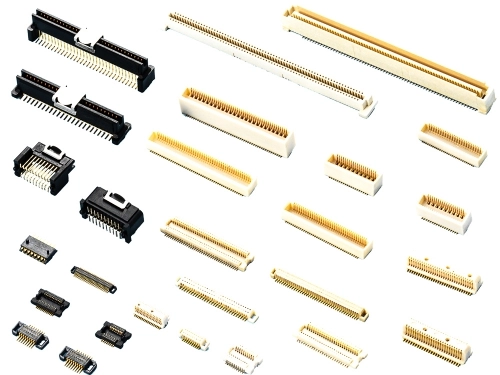
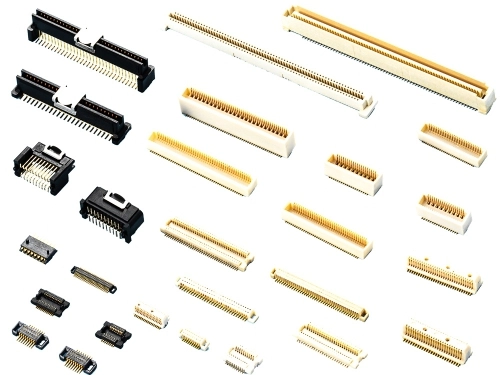
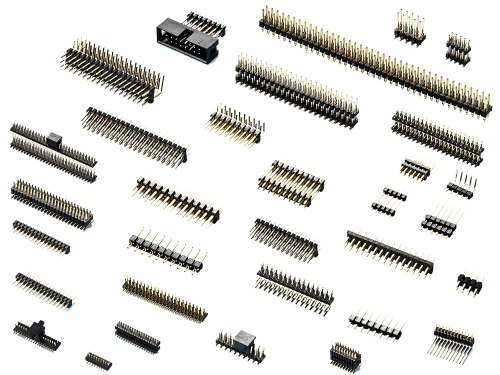
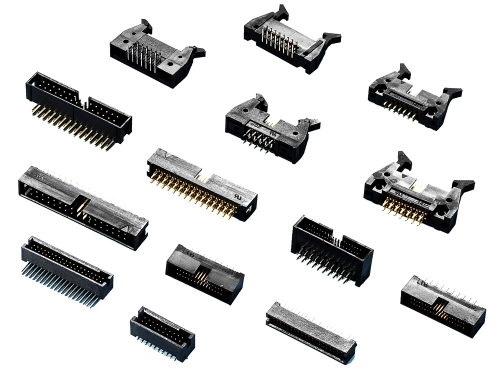
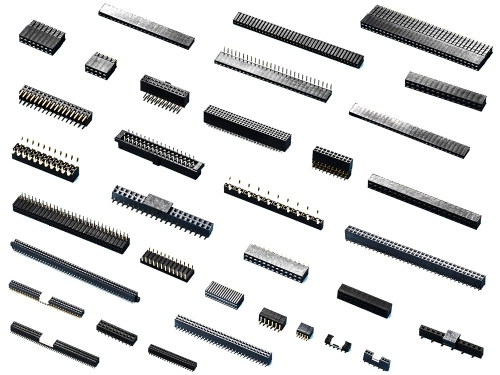
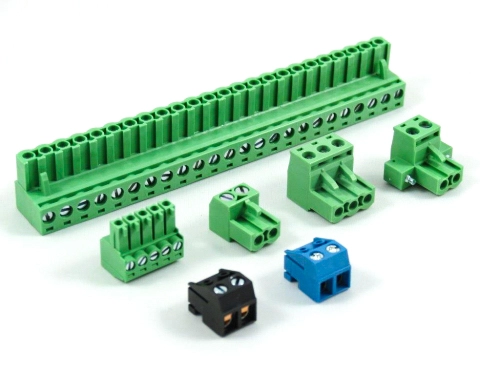
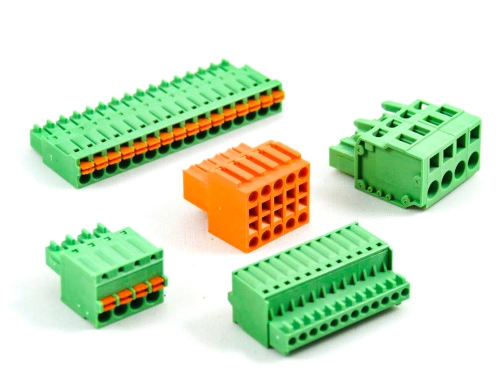
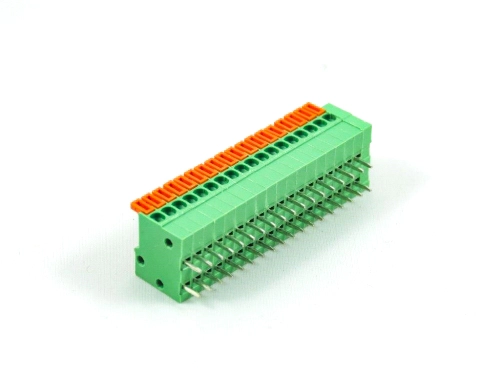
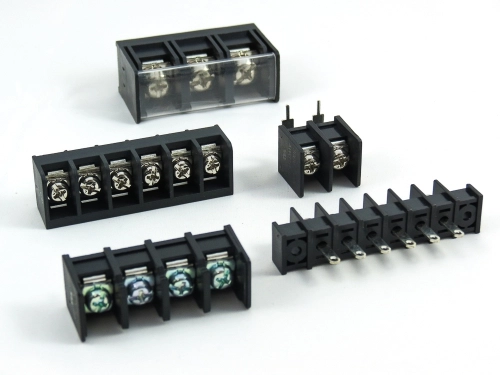
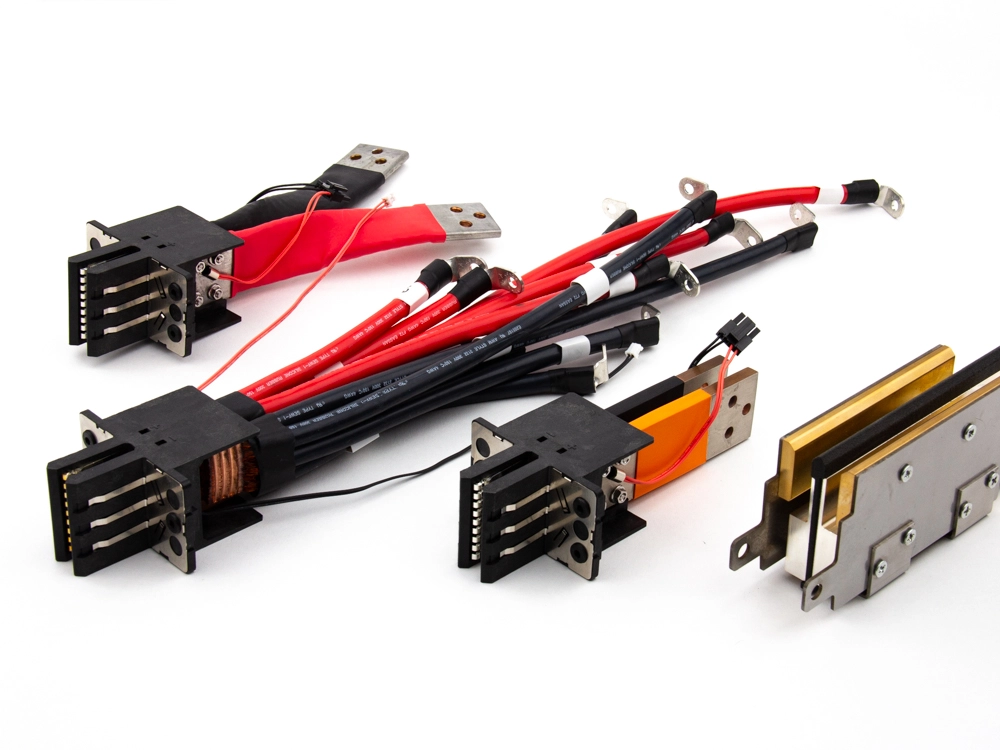
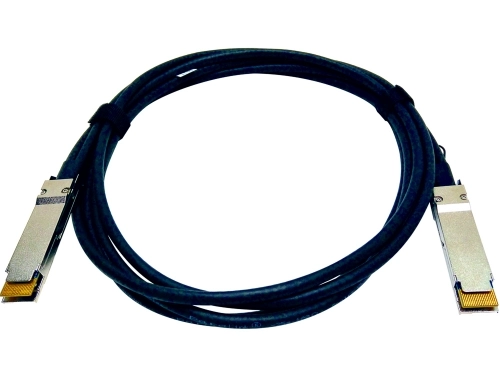
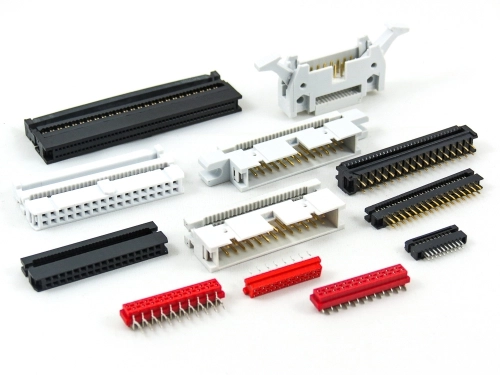
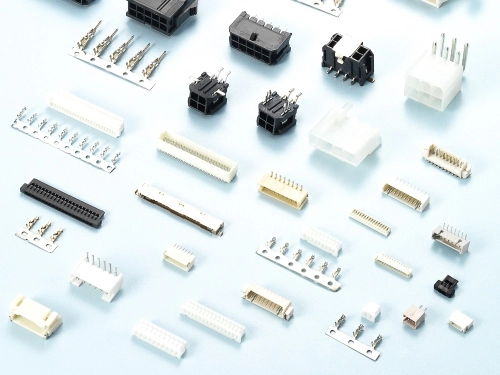
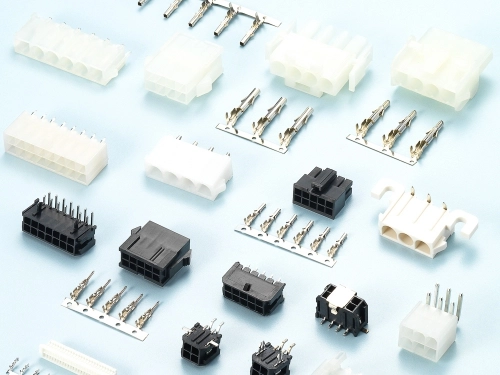
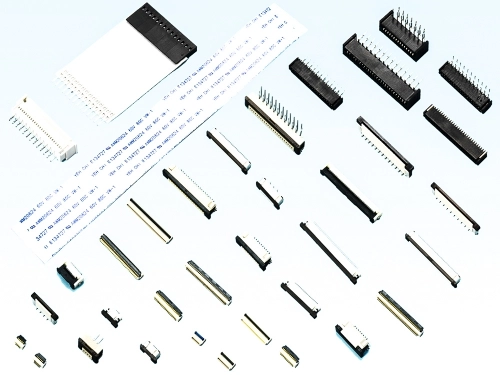
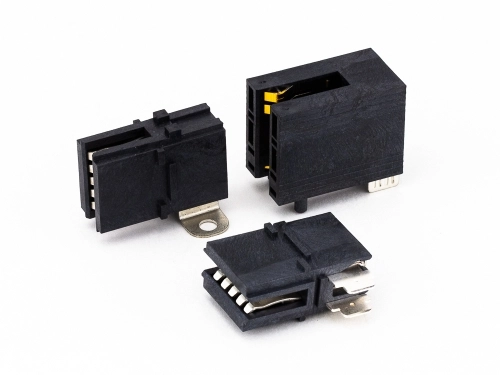
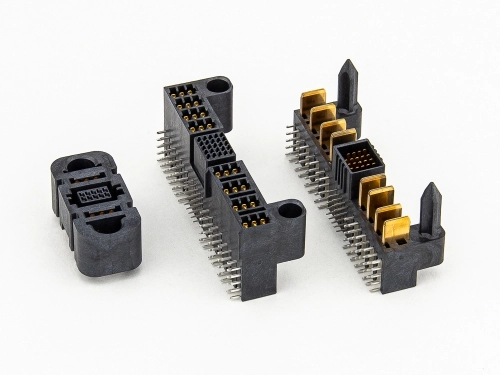
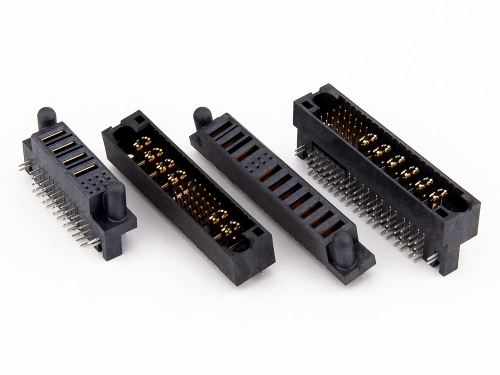
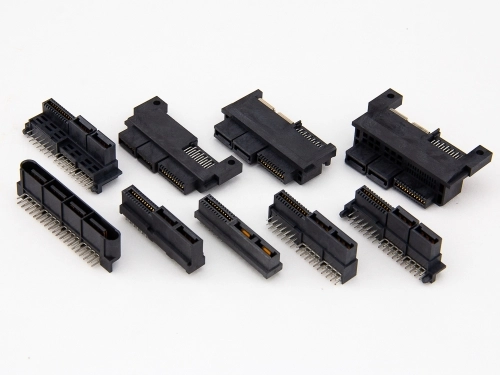
Electronic connectors are used for seamless communication and power distribution between various server components. Since liquid cooling systems often operate near high-performance hardware, connectors in these setups need to meet stringent requirements for durability, corrosion resistance, and minimal power loss.
For example, connectors in liquid-cooled servers must maintain low contact resistance to minimize energy loss while also being resistant to thermal and mechanical stress caused by the cooling process. Furthermore, these connectors must be able to withstand the potentially corrosive environment of liquid cooling, especially in immersion cooling systems where all components are in direct contact with dielectric fluid.
By ensuring the reliability of the connections between server components, high-quality connectors help maintain the integrity of data transmission and power supply, preventing system failures and improving overall performance. As liquid-cooled servers become more prevalent in high-demand sectors, the role of advanced connectors becomes increasingly important in supporting the seamless operation of these cutting-edge systems.
Liquid cooled servers should help the average person work at their best without impairing their performance with outdated equipment. This is one of the reasons why Oupiin Enterprise offers electronic connectors with low risks of overheating while remaining efficient. Want to learn more about our high-quality, yet cost-effective connectors? Contact one of our international locations today! To talk with a representative from California, USA, send an email to sales@oupiin.com or give us a call at 1(661) 294-0228. To talk with a representative from Taoyuan, Taiwan, call +886-3-3655030 or send an email to sales@oupiin.com.tw. We are here to support and make you achieve your goals through globally compliant electronic connectors.