



ENG
HOMEConnector InformationWhat Are Pin Headers?

  • What Are Pin Headers?

  • 2026-05-22

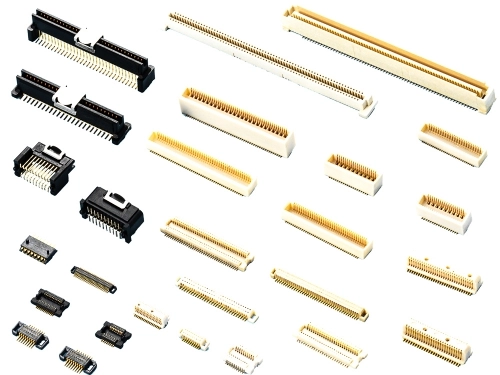
Pin headers are the quiet diplomats of the electronics world, serving as rigid, precisely spaced rows of conductive pins allowing different components and circuit boards to “shake hands” without a permanent commitment. Emerging alongside the rise of modular electronics in the mid-to-late 20th century, pin headers were born from a simple but powerful need: engineers wanted a way to connect, disconnect, test, and reconfigure circuits without the need for soldering. Typically made from brass or phosphor-bronze with gold or tin plating, these connectors are mounted on printed circuit boards (PCBs) and serve as the foundation. What many don’t realize is its standardized spacing, often 2.54mm or 0.1 inches, traces back to early prototyping systems and has stubbornly endured for decades like a well-loved ruler refusing to retire. Today, pin headers are everywhere, quietly enabling modularity, repairability, and scalability in everything from consumer gadgets to aerospace systems.

How to Use Pin Headers?

At their core, pin headers act as structured contact points allowing electrical signals and power to travel between components. Think of them as tiny metallic bridges standing at attention, waiting for a mating connector, such as a socket or jumper wire, to complete the circuit. However, when it is mounted onto a PCB, each pin is soldered into place, creating a stable electrical pathway. Engineers and designers proceed to connect external devices, stack additional boards, or route signals through removable cables. Want to swap out a sensor? Reconfigure a module? Debug a system without dismantling it? Pin headers are the reason electronic connectors are both flexible and modular, yet, paradoxically permanent.

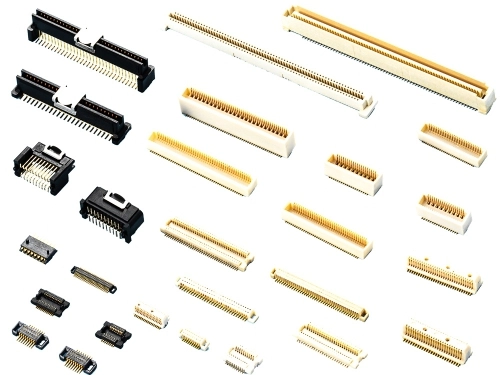
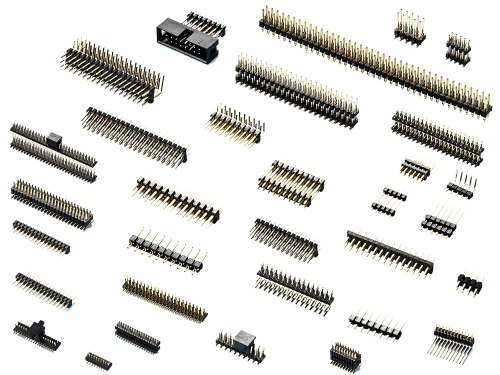
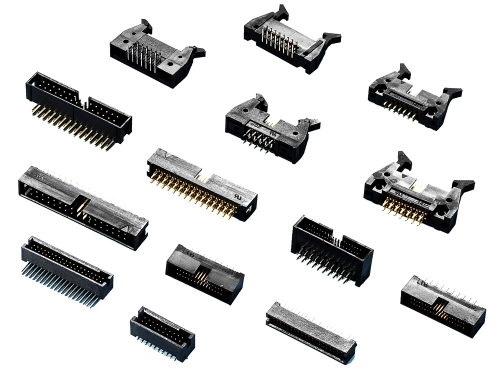
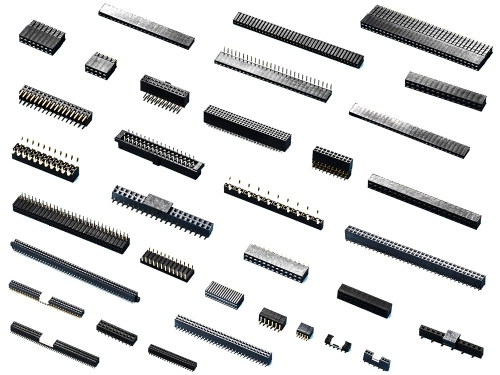
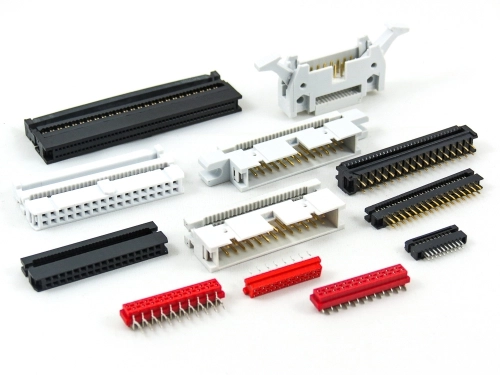
Appearing in a variety of configurations—single-row, double-row, right-angle, and stackable designs—it's no wonder they are practically used for everything. For instance, they are regularly used in platforms, like Arduino Uno and Raspberry Pi, to allow users to easily attach peripherals, shields, and expansion boards. A lesser-known detail is that high-reliability applications sometimes use selective gold plating only on the contact area to reduce cost while preserving conductivity where it matters most. Finally, you should also know that, despite pin headers looking rugged, repeated mating and unmating can wear down plating over time, subtly increasing resistance. 

What Gender Are Pin Headers?

Pin headers are considered male connectors, and only male electronic connectors, because they are the ones presenting exposed conductive pins designed to be inserted into a corresponding female connector, such as a socket or receptacle. Prioritizing clarity and compatibility across global manufacturing ecosystems highlights how this classification isn't arbitrary or poetic; it's rooted in mechanical and electrical designs. This “male” designation specifically refers to the protruding nature of the contacts, which physically establish contact within a female housing. 

From consumer electronics to aerospace, this universal terminology creates a shared language engineers can rely on without ambiguity. The design choice also influences durability and alignment, as male pins are often engineered with precise tolerances to ensure consistent mating force and signal integrity. In high-speed or high-current applications, the geometry of these pins, whether square, round, or blade-like, can dramatically impact performance, making the humble “male” pin header a surprisingly sophisticated piece of engineering.

How Much Do Pin Headers Cost?

Pin headers live in a fascinating pricing spectrum, where simplicity meets precision economics. At the low end, standard single-row pin headers can cost mere cents per unit when purchased in bulk, making them one of the most cost-effective components in electronics. However, prices can climb significantly depending on different factors: pitch size, plating material, current rating, and manufacturing tolerances. Gold-plated headers, for instance, command a higher price due to their superior conductivity and oxidation resistance, especially in environments where reliability is non-negotiable. High-density or custom configurations also increase costs due to tighter manufacturing requirements and specialized tooling. But, did you know many overlook its plating thickness—often measured in microinches—which can subtly but meaningfully affect both cost and longevity. You're not just paying for metal and plastic, you're investing in precision, durability, and the invisible assurance your connections will hold steady when it matters most.

Choosing the Right Pin Header Manufacturer

Selecting the right pin header manufacturer is less like shopping and more like choosing a long-term engineering ally. For instance, a reliable manufacturer ensures tight tolerances to allow the pins to align with ease, reducing the risk of misalignment or signal loss. Additionally, features, like customization capabilities, production scalability, and rigorous quality control processes, can make or break a project, especially in industries where failure is not an option. One insider tip from us professionals: always evaluate a manufacturer's testing protocols. The best ones simulate real-world stress conditions to guarantee consistent performance.

Known for precision engineering and a broad portfolio of connector solutions, Oupiin Enterprise embodies the balance between innovation and reliability. Our approach reflects a deeper philosophy: connections should not just function, they should endure, adapt, and empower the systems they support. Collaborating with us for your next project isn't a light decision; it's a commitment to building systems as resilient as they should be. Want to learn more? Click the contact us button at the top of this page or give us a call. Our American phone number is: +1(800) 820-7446. Our headquarters in Taiwan's phone number is: +886-3-3655030. We are looking forward to an enticing conversation, helping you create your beloved design.


202502211359388tpM   20250221140032bqsM   20250221140042bUxX