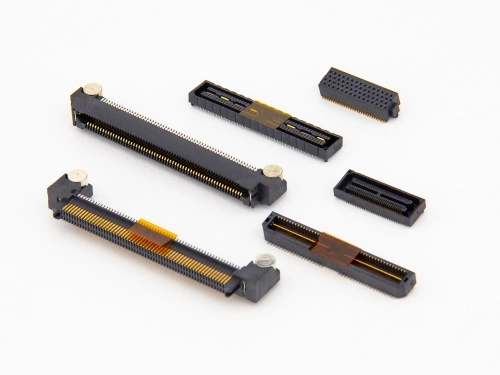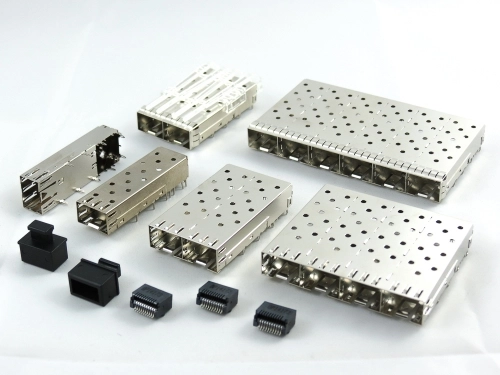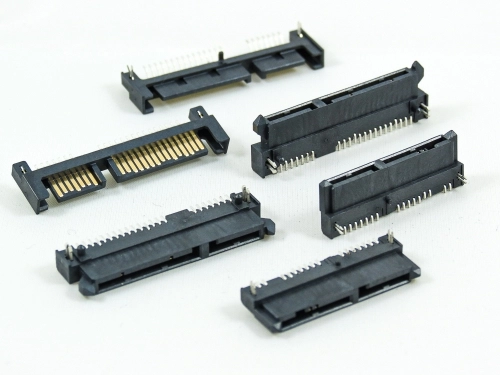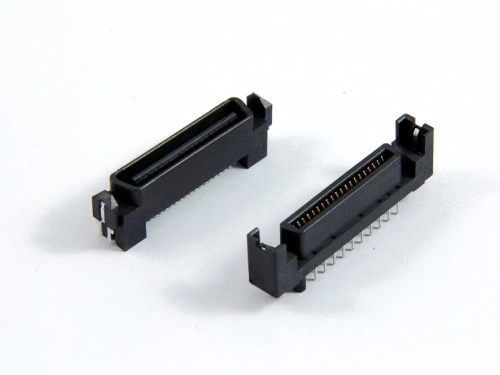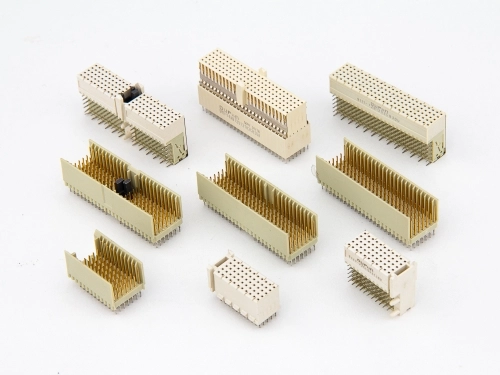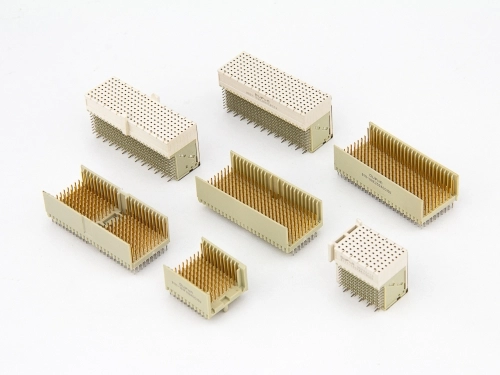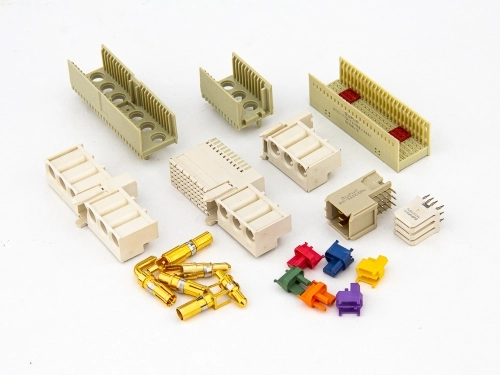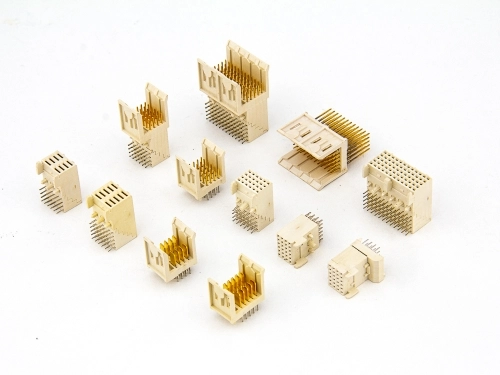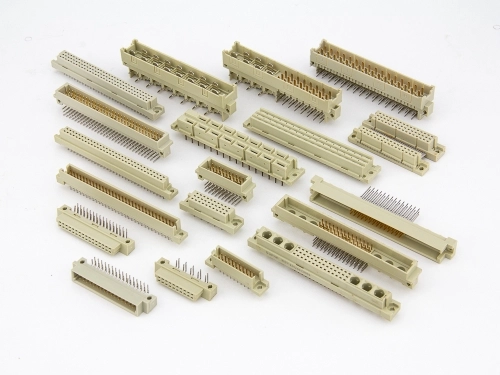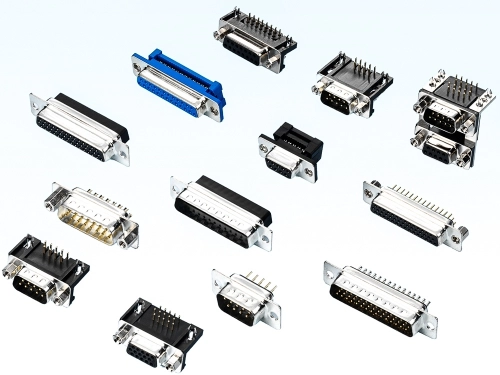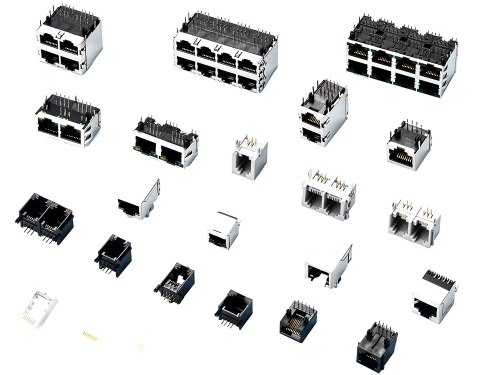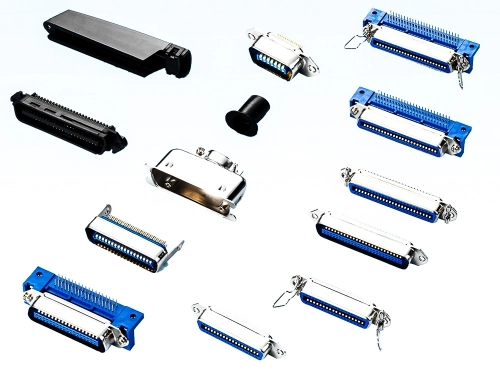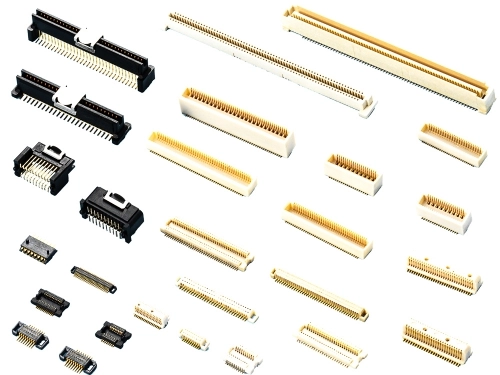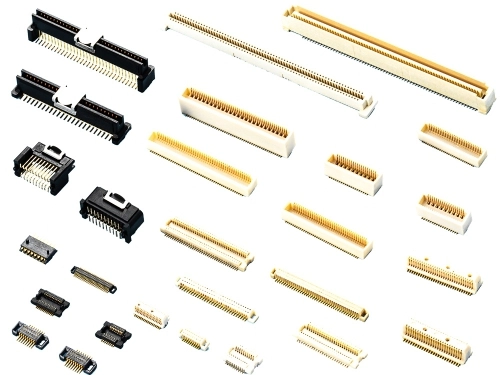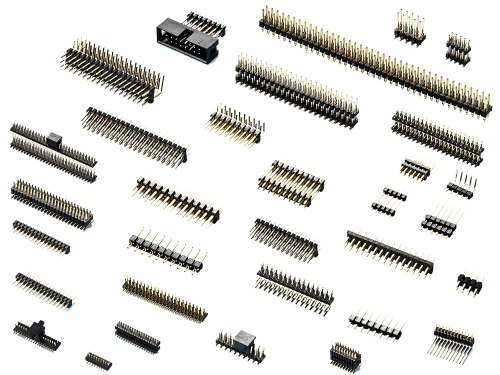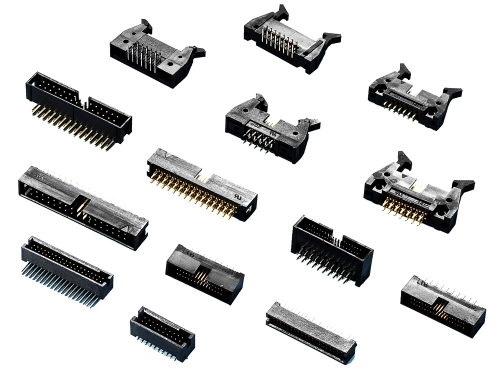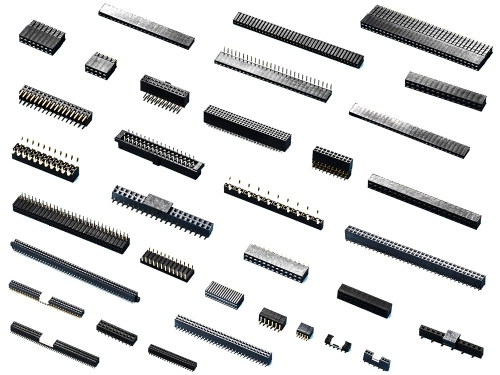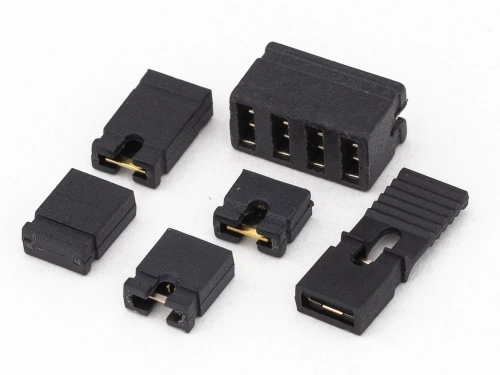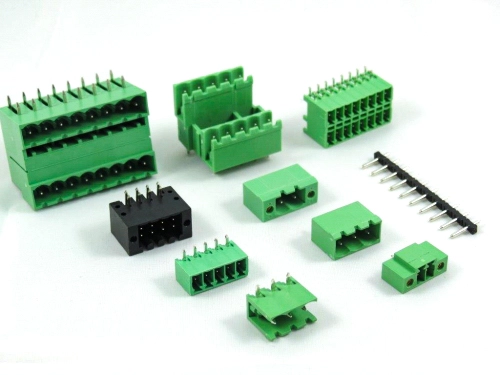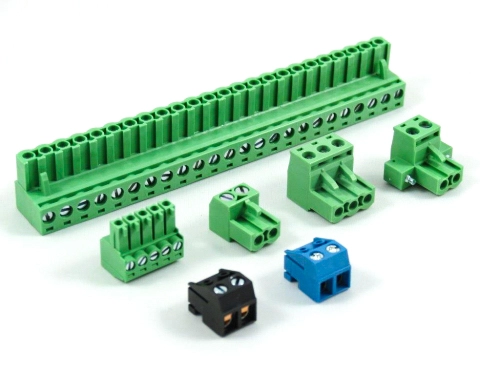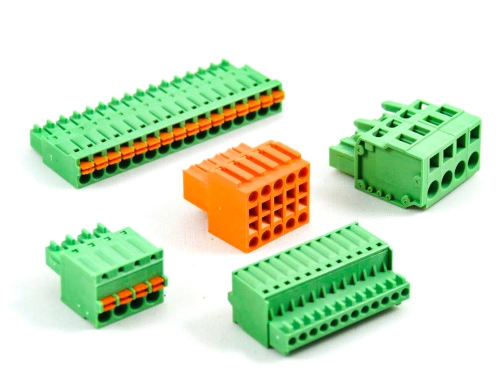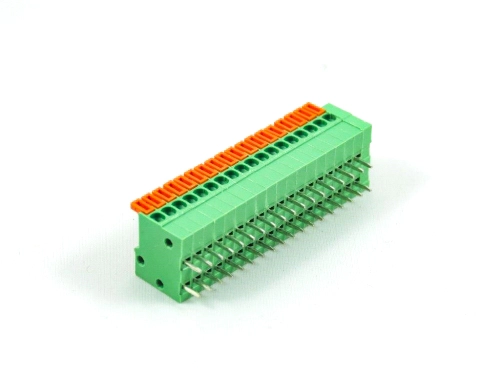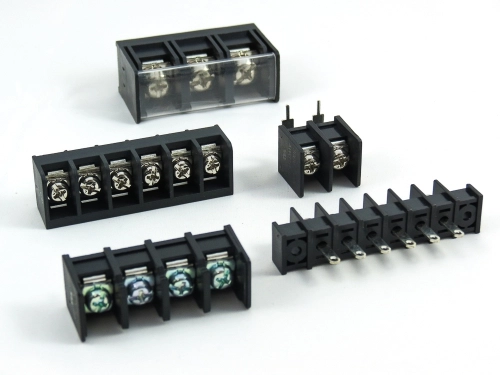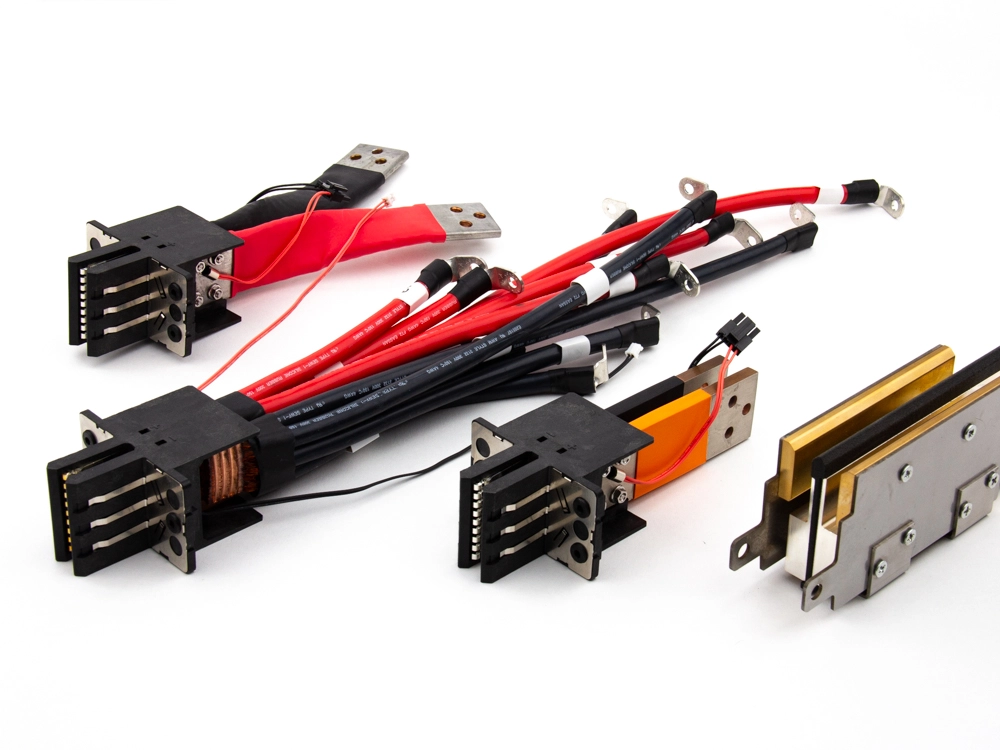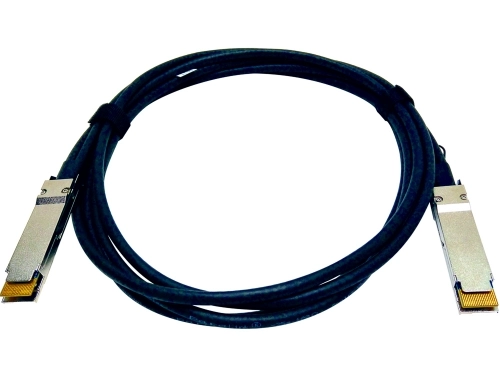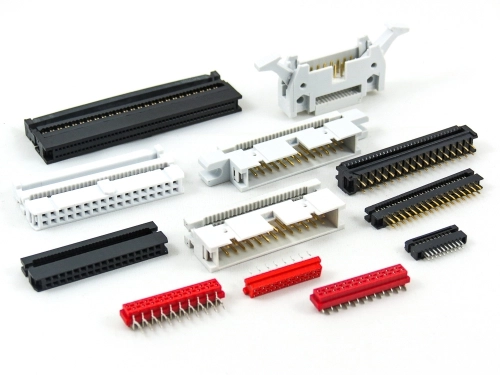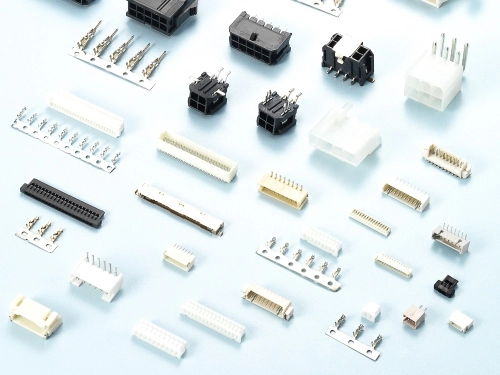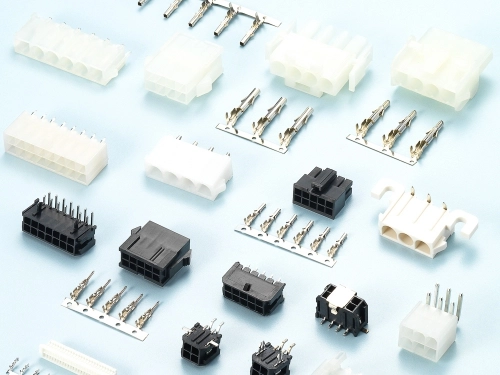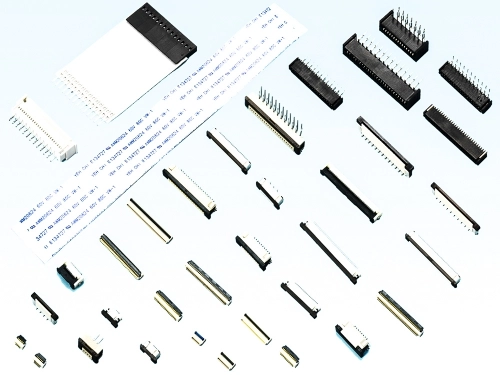





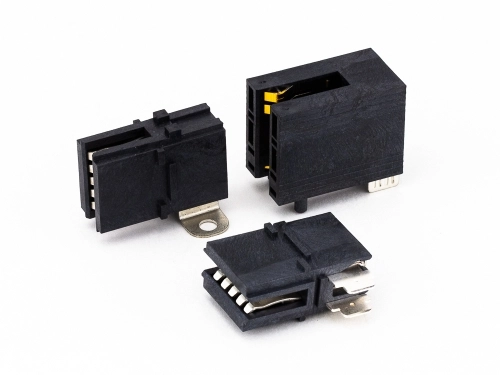
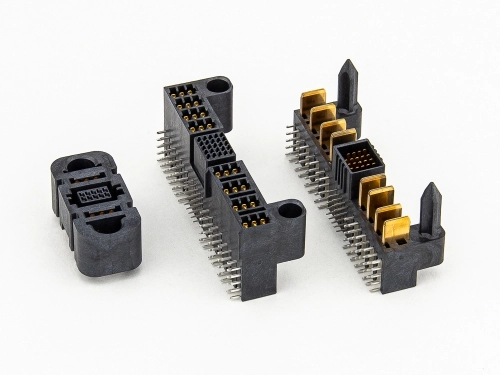
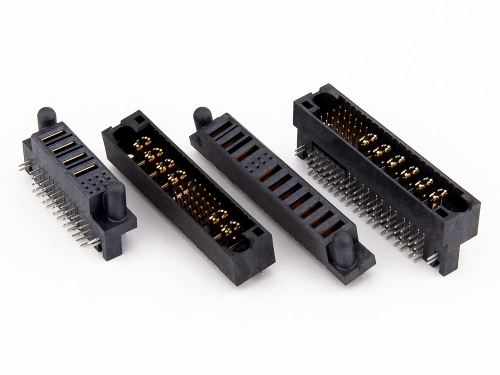
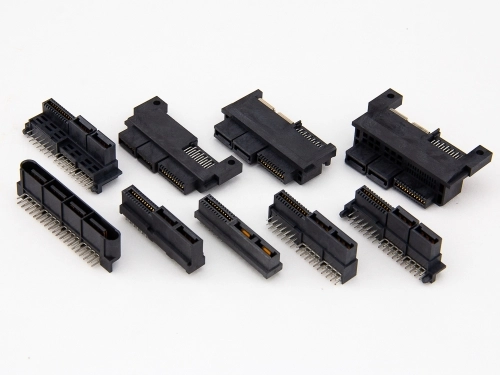
Pin headers are among the most recognizable and widely used electronic connectors. In short, pin headers are rows of metal pins, usually mounted on a printed circuit board (PCB), designed to create a simple and reliable electrical interface between components. These male—and only male—connectors allow signals or power to move between boards, cables, and modules through a mating connector, such as a socket header or ribbon cable assembly. Its straightforward design, combined with standardized pin spacing, such as 2.54mm, has made it a staple across a diverse set of industries, from consumer electronics and embedded systems to industrial controls and telecommunications.
Pin headers work by creating a physical and conductive contact point between mating connectors. Each metal pin is typically made from conductive alloys, such as brass or phosphor bronze, and plated with materials, like tin or gold, to improve conductivity and resist corrosion. When a compatible connector slides onto the header, the contact surfaces press together, allowing electrical current or signals to pass through the connection. Its reliability and simplicity make it a cost-effective solution for modular electronics, which is why affordability plays such a pivotal role in its widespread use.
The average cost of a pin header can vary depending on design, materials, and order quantity, but most standard pin headers typically range between a few cents and several dollars per unit. Basic single-row headers used in development boards or consumer electronics are often the most affordable, especially when purchased in bulk quantities for large production runs. Meanwhile, specialized headers designed for high-reliability applications, unique pin counts, or enhanced durability can carry higher price points due to more complex manufacturing requirements.
Additionally, the materials used in manufacturing play a major role, particularly the conductive metals used for the pins and the plating applied to their surfaces. Gold plating, for example, improves corrosion resistance and long-term electrical performance but can increase overall production cost. Other considerations to include are manufacturing precision, molding materials for the insulating housing, and labor associated with assembly and quality assurance. In modern manufacturing environments, these processes must also meet strict engineering tolerances to ensure proper alignment and connectivity during installation.
Performance characteristics are another attribute capable of affecting pricing. Pin headers designed for higher mating cycle life, improved durability, or specialized environments may require additional testing and validation. Performing electrical performance testing, environmental stress testing, and mechanical durability testing verifies the manufactured electronic connectors uphold and satisfy required specifications. These extra steps might contribute to the final cost, but each addition helps ensure long-term reliability in the field. As a result, the price of a pin header reflects not only the materials used but also the engineering, testing, and quality standards behind the product.
When sourcing pin headers, consistency and compliance are just as important as price. Reliable connectors must meet industry standards for electrical performance, durability, and safety to ensure they perform correctly across thousands of connections and operating conditions. You should be looking for a manufacturer who prioritizes quality control, detailed specifications, and proven manufacturing practices. Choosing a trusted supplier ensures each connector delivers the same dependable performance from prototype development through full-scale production, which ultimately protects both product reliability and brand reputation. Have additional questions? Consider reaching out to us with any of your concerns and we will do our best to assist you.