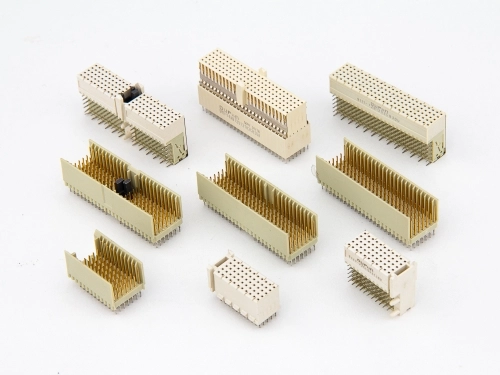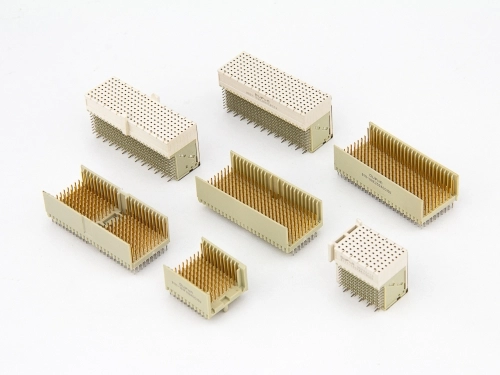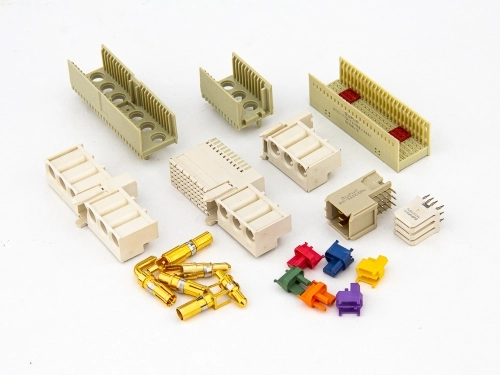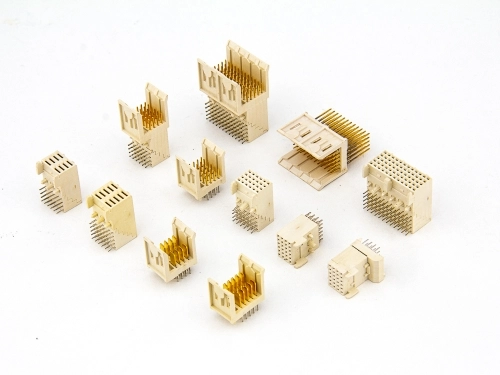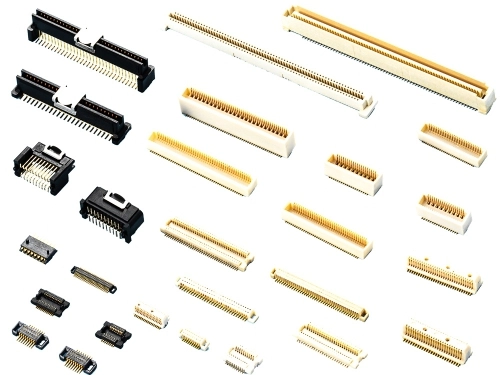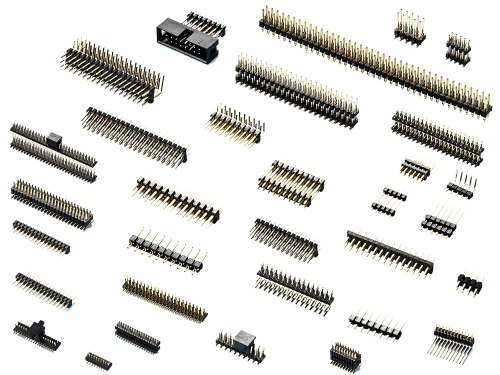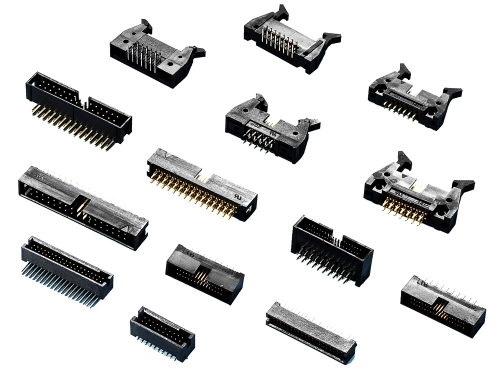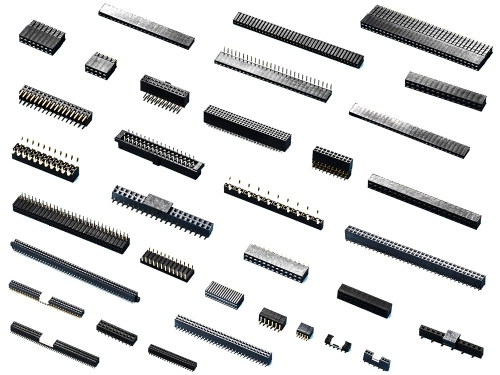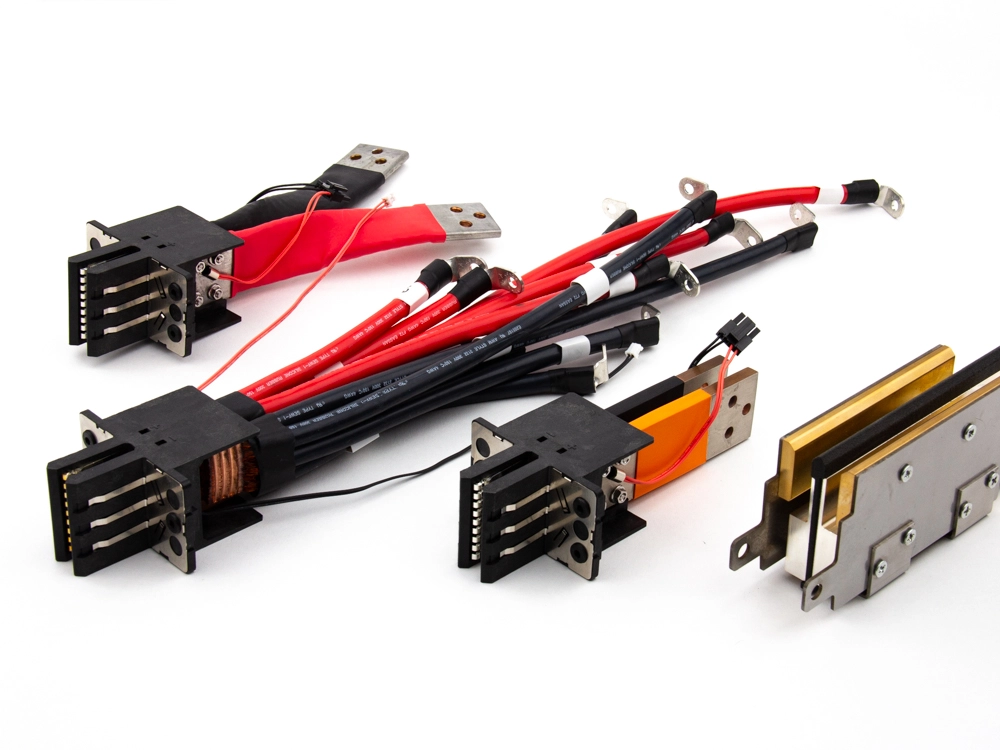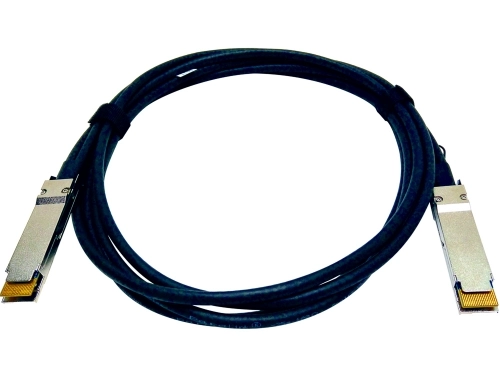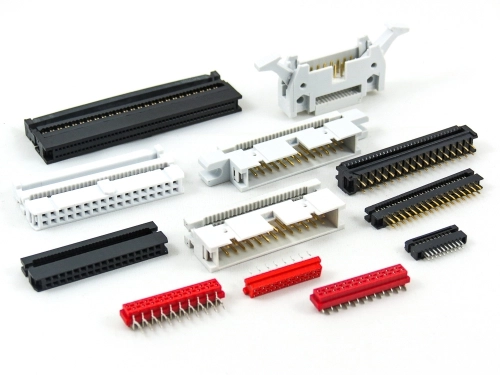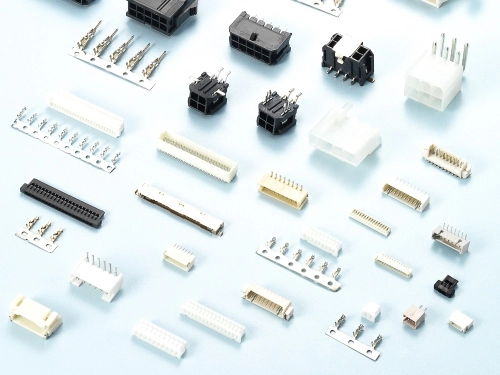





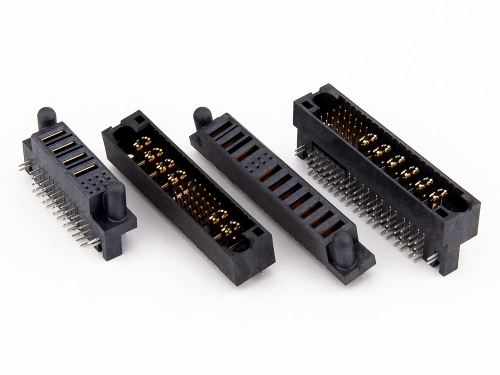
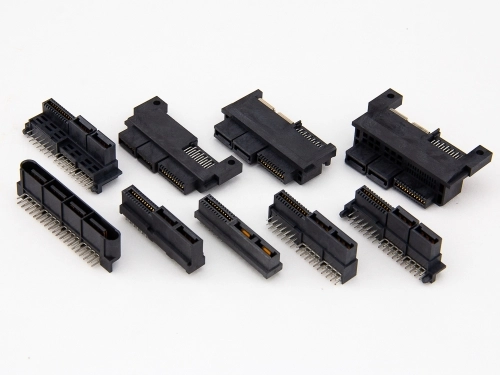
Electronic connectors exist because every system breaks, changes, grows, and needs to be serviced. Long before the ubiquity of sleek devices and modular hardware, early electrical assemblies were rigidly hardwired and unforgiving. Even an isolated failure could mean replacing the entire system. Fortunately, the deliverance of the electronic connector has allowed power and signals to move between components without permanent bonds.
Today, electronic connectors are everywhere, including places most people never think to consider. From deep underground to high orbit, inside living bodies to hostile environments, the easiest systems to complex layouts, connectors enable electronics to function where failure is not an option. Their hidden all-presence means you will find connectors operating in some truly unique and unexpected places.
Every niche application still relies on familiar connector principles: secure electrical contact, mechanical stability, environmental resistance, and repeatability. Whether transmitting data, power, or control signals, connectors make complex systems modular and survivable. Even the most unusual devices depend on connectors for easy assembly, maintenance, upgrades, and diagnostics. Below are four examples of unique and interesting applications requiring electronic connectors to quietly do the essential work.
Artificial hearts, ventricular assist devices, and implantable drug pumps rely on ultra-miniature connectors to link sensors, control electronics, and power systems. These connectors must also withstand constant motion, moisture, and years of continuous operation inside the human body. Unsurprisingly, you will find these kinds of components predominantly in hospitals, research labs, and medical device manufacturing facilities. Without these noninvasive, tiny electronic connectors, modular medical implants would be less personable, less flexible, and less desirable.
2. Underwater Volcano Monitoring Stations
Deep-sea volcanic observatories use rugged, pressure-resistant connectors to transmit seismic data, temperature readings, and chemical signals from the ocean floor. These connectors regularly face crushing pressure, saltwater corrosion, and long deployment cycles, which is why they need to be engineered with highly-resistant, durable materials and solutions in mind. To ensure scientists receive the data and information they are devoting so much of their lives to, these connectors must support these transmissions without physically engaging the system miles below the surface.
3. Smart Beehives and Insect Monitoring Systems
Bees are one of the most important species on Earth. Not only have they had documentaries and comedies made in their name, but they are also a popular subject within the scientific and agricultural communities. Whether you are a farmer tending to your flock or a scientist working on an environmental research project, your research demands organic and unfettered movement from the bee subjects. Using sensor-equipped beehives to track everything crucial—hive temperature, humidity, movement, and colony health—is only possible because small electronic connectors linking sensors, batteries, and wireless transmitters to each individual and active hive. Unsurprisingly, the hive's hardware and software can be maintained and upgraded as time goes without ever disturbing the colony.
4. Space Debris Capture Devices
In low Earth orbit are experimental satellites designed to capture orbital debris. Thankfully, the high-quality electronic connectors used are capable of surviving radiation, vacuum conditions, and extreme temperature swings, which is how they can assist in coordinating sensors, robotic arms, propulsion systems, and control electronics. In turn, cosmic-astronauts and Earth-bound scientists are able to access the technology with ease, as well as initiate upgrades and diagnostics before launch, during mission integration, and after everyone's settled back home.
From the ordinary to the truly strange, electronic connectors remain the quiet enablers of modern technology. And, as systems evolve in increasingly unexpected directions, Oupiin Enterprise continues to deliver dependable solutions making continuous innovation possible. While we can't disclose the brands who have worked with us, we do understand the complexities of the electronic connectors used in the applications discussed and not spoken of.
If you have any questions or want to learn more about our offerings and/or services, please consider calling us at 1-661-294-0228 or emailing sales@oupiin.com for our North American location. However, if you would like to contact our headquarters in Taoyuan, Taiwan, we recommend calling +886-3-3655030 or sending an email to sales@oupiin.com.tw . We are looking forward to future collaborations, developments, and partnerships.