




ENG
HOMEConnector InformationAre Busbar Connectors Reusable?

  • Are Busbar Connectors Reusable?

  • 2026-03-09

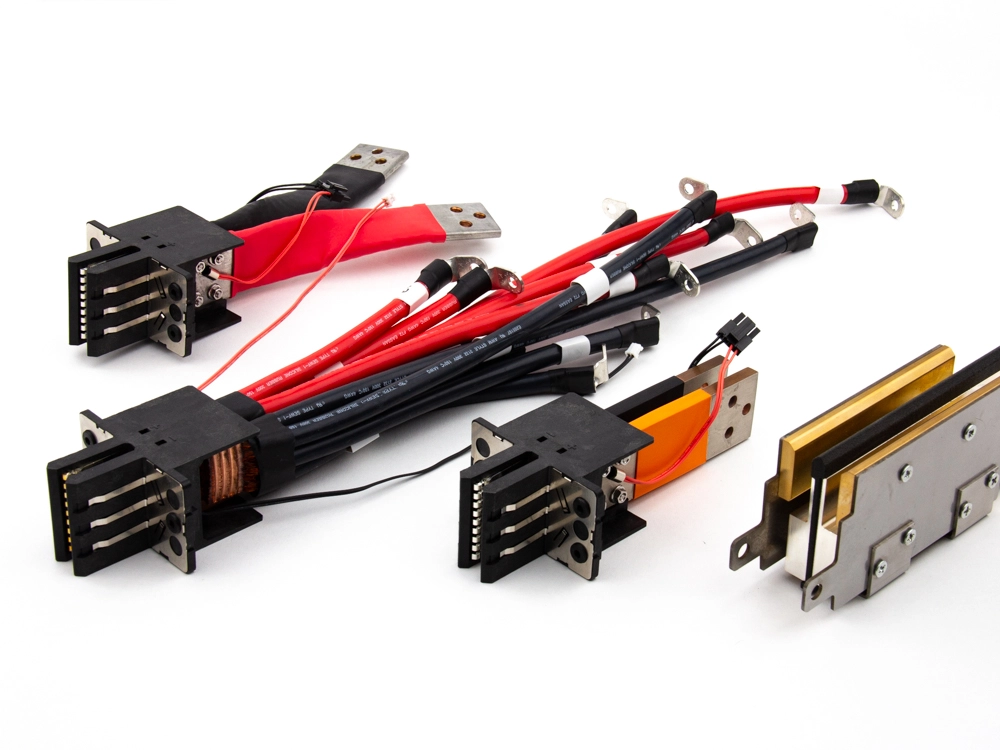
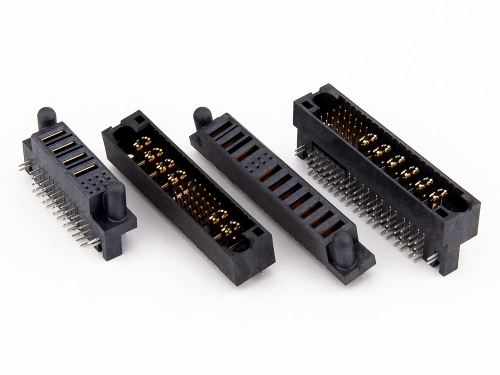
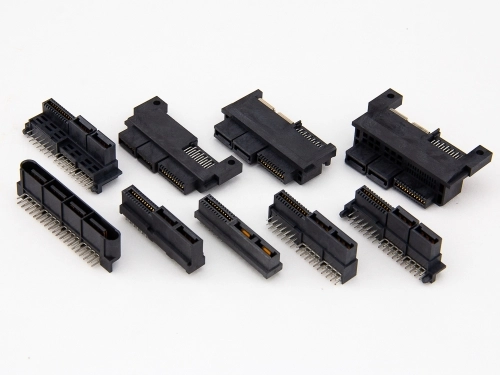
Busbar connectors are widely used for their ability to deliver efficient, high-current power distribution with lower resistance, reduced heat generation, and cleaner system layouts than traditional cabling, which is why some of the most popular applications using this electronic connector are data centers, power shelves, industrial equipment, EV systems, and telecom infrastructure. However, despite their ubiquity, many engineers, especially when optimizing cost or sustainability, question whether busbar connectors can be reused. Thankfully, the short answer is yes, sometimes, but with conditions. For instance, its reusability can depend on the connector’s design, current exposure, mating cycles, mechanical wear, and thermal history. While busbar connectors are engineered for durability, they are still precision components whose performance can degrade if reused improperly or beyond their intended lifecycle.

Life Cycle of the Busbar Connector

Nearly every being follows the same life cycle; the only promise coming at the end—our mental, emotional, and spiritual passing. Manmade technologies’ lifecycles may look slightly different than our own biologies, but still the same end-result. Nonetheless, the typical busbar connector lifecycle stages involve:

  • Design and Material Selection: Engineers specify current ratings, plating, contact geometry, and mechanical tolerances.
  • Manufacturing and Plating: Conductive materials are formed and plated to reduce resistance and corrosion.
  • Assembly and Installation: The connector is integrated into a system, often using blind-mate or clip-style interfaces.
  • Operational Use: The connector carries current, experiences thermal cycling, and endures mechanical stresses.
  • Inspection and Maintenance: Periodic checks may identify wear, discoloration, or contact degradation.
  • Decommissioning: The connector is removed during system upgrades, failures, or end-of-life replacement.

Reusing Busbar Connectors

Busbar connectors can sometimes be reused, particularly if they were lightly loaded, operated within their rated limits, and show no signs of physical or thermal damage. Although, the higher quality designs, with multiple independent contact points and durable plating, are more likely to tolerate reuse. However, reuse should never be assumed by default. It doesn’t matter how well you treated them; over time, contact surfaces will wear, plating will thin, and microscopic deformation will increase resistance, which leads to heat buildup and long-term reliability risks.
When a busbar connector begins to lose functionality, reuse may no longer be the best option. In high-current systems, even small increases in resistance can have outsized consequences. Don’t risk it; responsible options include replacing the connector with a new, properly rated part or sending it out for material recycling. Thankfully, when valuable metals, like copper or gold, are involved, you can earn back some money to counterbalance expenses. Nonetheless, reuse should always be guided by inspection, electrical testing, and manufacturer recommendations rather than cost savings alone.

Choosing the Right Busbar Connector Manufacturer

Regardless of budget, you should be picking the right busbar connector for your product design or else you risk the chance of errors damaging your brand’s reputation and performance. To ensure you pick the right electronic connector, look for a reputable, highly regarded connector manufacturer. For instance, many attributes a trusted manufacturer prioritizes involve engineering precision, material quality, clear specifications, and lifecycle performance. 

Fortunately, Oupiin Enterprise can attest to our own qualities and relevance to these characteristics since we engineer our busbar connectors with durability, safety, and real-world operating conditions in mind. With a strong focus on innovation, quality control, and application-specific solutions, Oupiin helps engineers build power systems performing reliably from first installation through the full product lifecycle. When reusability, longevity, and performance matter, choosing a manufacturer like Oupiin Enterprise makes all the difference.


202502211359388tpM   20250221140032bqsM   20250221140042bUxX